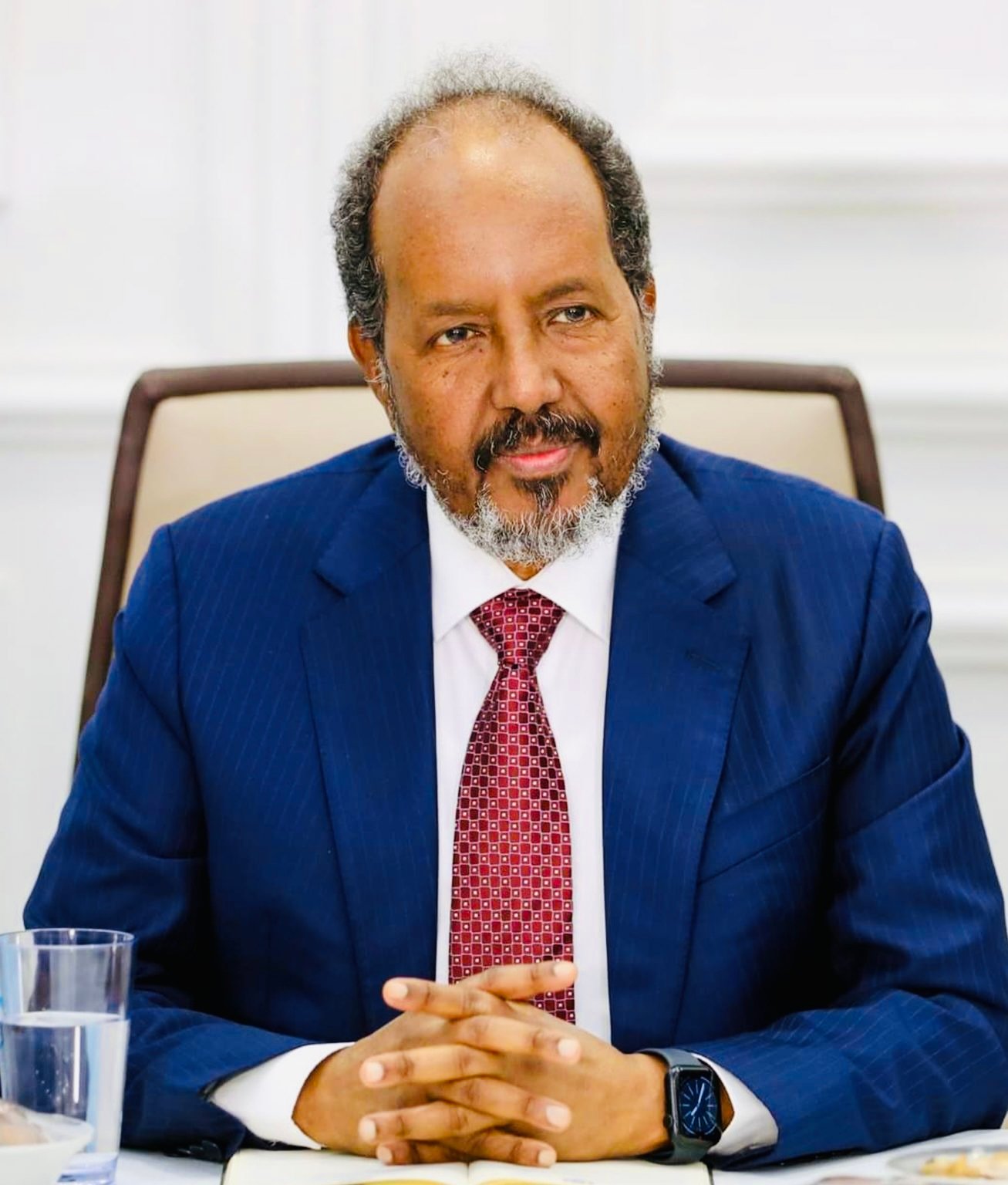
MOGADISHU — Hassan Sheikh Mohamud on Saturday strongly defended his government’s plan to introduce one-person, one-vote elections in Somalia, arguing that the country’s long-running indirect electoral system has repeatedly triggered political violence, instability and deadly disputes.
Speaking in Mogadishu amid escalating tensions with opposition groups, Mohamud said Somalia could no longer rely on a clan-based indirect voting model that, for decades, determined political leadership through delegates and traditional power-sharing arrangements rather than universal suffrage.
“Have there ever been indirect elections that have not resulted in deaths?” the president asked during his address, referring to past electoral crises in Baidoa, Garowe, Dhuusamareeb and Mogadishu. He said previous indirect elections repeatedly produced armed confrontations, arrests, political standoffs and instability across the country.
Mohamud portrayed the transition to direct elections as a historic political transformation intended to return political power to ordinary citizens after decades of conflict and state collapse. He said the reform forms part of a broader agenda that includes constitutional changes, the establishment of a multiparty system and the rebuilding of democratic institutions.
The president also rejected accusations from opposition groups that the reforms are designed to extend his administration’s stay in office. He insisted that the mandates of Somalia’s federal institutions will expire on May 15, 2027 — not in 2026 as critics claim — arguing that the timeline is based on constitutional amendments approved by parliament rather than a personal political decision.
The remarks come at a sensitive moment in Somalia’s political landscape, with widening disagreements between the federal government and opposition leaders over constitutional reforms, elections and power-sharing arrangements.
Opposition figures have accused the government of advancing major political changes without broad consensus among federal member states, opposition groups and civil society actors. Critics warn that unilateral reforms could deepen divisions and destabilize the fragile Horn of Africa nation at a time when Somalia continues to face insecurity, economic pressures and tensions between Mogadishu and regional administrations.
Government officials, however, argue that the indirect election system has become costly, divisive and vulnerable to manipulation by clan interests and political elites. Supporters of the reforms say direct elections would expand political participation, strengthen accountability and move Somalia closer to democratic standards practiced elsewhere in the region.
The dispute intensified after three days of negotiations between the federal government and representatives of the Somali Future Council ended without agreement earlier this week. The talks, held in Mogadishu from May 13 to 15, focused on elections, constitutional amendments and the broader political transition but failed to narrow divisions between the two sides.
International partners have expressed growing concern over the political deadlock. The African Union Commission and the United Nations urged Somali leaders to resume dialogue and avoid escalating tensions. The African Union said it regretted the collapse of the talks and called on all political stakeholders to maintain flexibility and work toward a broader political consensus.
The disagreement over Somalia’s electoral future has emerged as one of the most serious political challenges facing Mohamud’s administration. While the government insists that direct elections are essential for building a more representative political system, opposition leaders argue that reforms implemented without consensus risk triggering further instability in a country still recovering from decades of conflict.