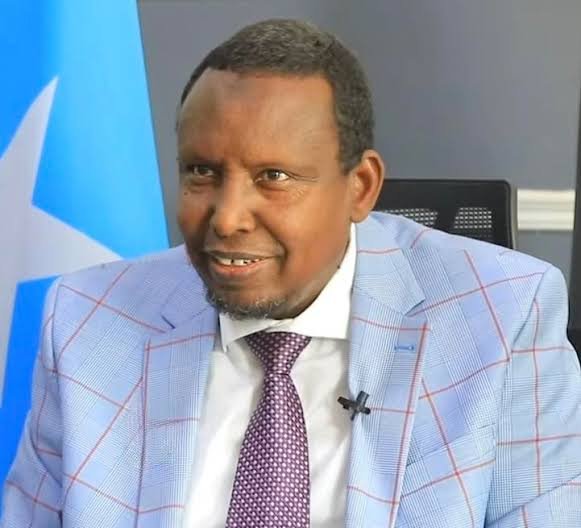
MOGADISHU — Somali political analyst Prof. Abdiwahab Sheikh Abdulsamad has raised questions about the country’s political direction, arguing that Somalia’s competing political projects have failed to produce a lasting solution to its governance challenges.
In remarks addressing Somalia’s political situation, Prof. Abdulsamad said Somaliland had failed to achieve its objective of securing international recognition, while Puntland had also failed to realise the full promise of federalism.
He further argued that successive political efforts centred in Mogadishu had struggled to establish a stable and effective national government.
“Somaliland has failed to secure recognition. Puntland has failed with federalism. Mogadishu has failed in state-building. So, Somalia, is there another solution?” Prof. Abdulsamad said.
His comments come amid continuing disagreements over Somalia’s political system, the relationship between the federal government and federal member states, electoral arrangements and the country’s constitutional future.
Somalia has spent more than three decades attempting to rebuild national institutions following the collapse of the central government in 1991. The country has since experimented with different political and governance arrangements, including federalism and power-sharing mechanisms.
Somaliland has maintained a separate political and administrative system and continues to seek international recognition, while Puntland has advocated a federal structure within Somalia.
The debate over Somalia’s future remains focused on how to establish a political system capable of addressing disputes between different levels of government, strengthening national institutions and creating broader political consensus.
Prof. Abdulsamad’s remarks add to the growing public discussion over whether Somalia should continue with its existing political framework or consider alternative approaches to resolving the country’s long-standing political challenges.