
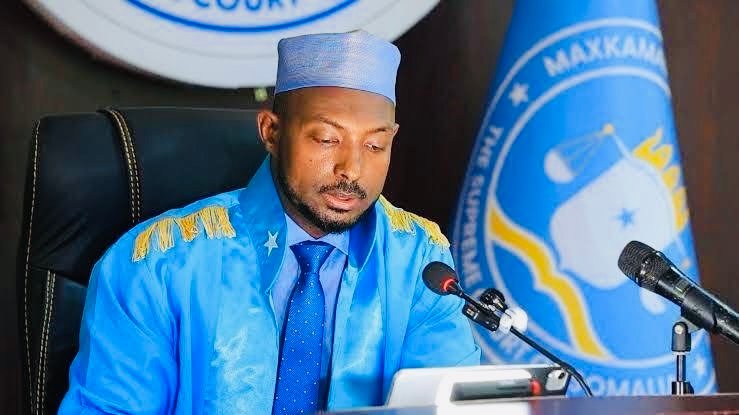
MOGADISHU — Somalia’s Chief Justice of the Supreme Court, Baashe Yusuf Ahmed, has strongly rejected the decision announcing his removal from office, describing the move as unconstitutional, unlawful and inconsistent with the country’s established legal framework.
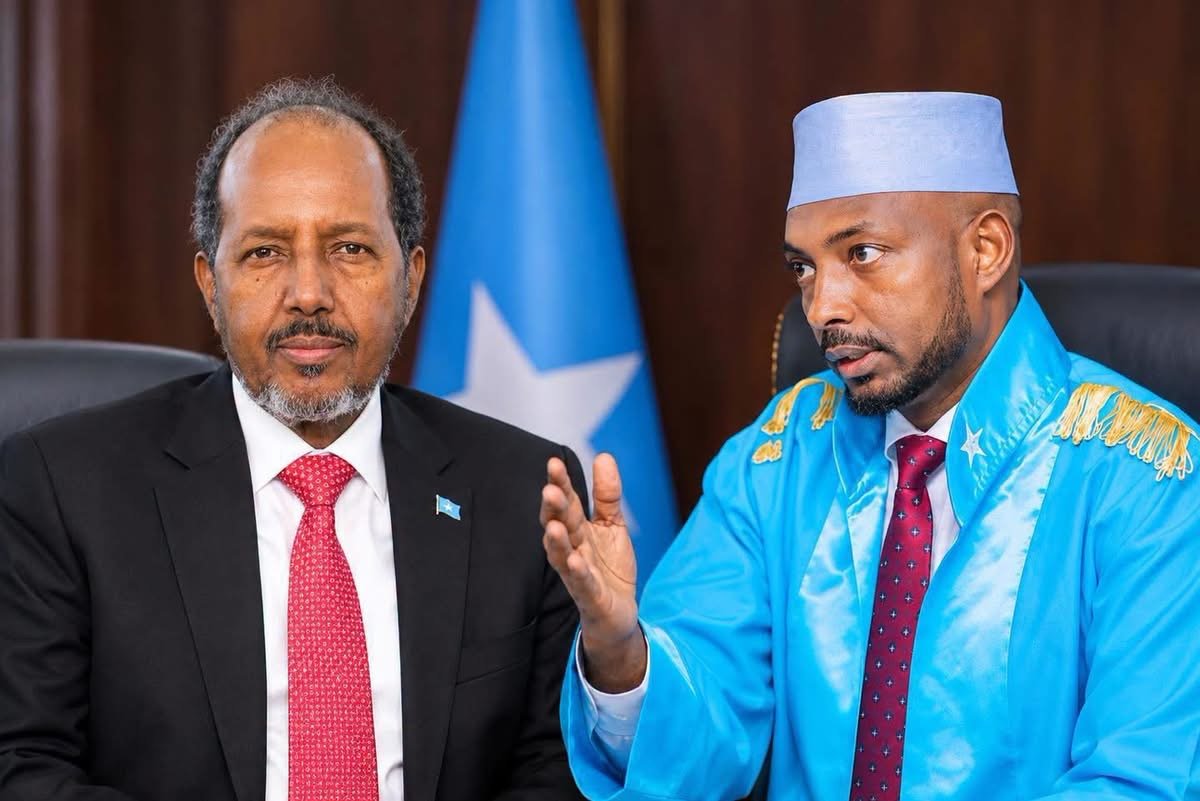
In a statement responding to a letter published on the official Villa Somalia website, Baashe said he does not accept the decision to remove him from his position, arguing that any change in the leadership of the Supreme Court must strictly follow the procedures established by the Constitution and relevant laws.
He called on President Hassan Sheikh Mohamud to respect the Constitution of the Federal Republic of Somalia and uphold the country’s legal institutions, warning against actions that could undermine the rule of law and the independence of the judiciary.
Baashe stressed that public institutions must operate within their legally defined powers and that decisions affecting the country’s highest judicial office cannot be implemented outside the constitutional framework.
Dispute Over Judicial Independence
The development has opened a new chapter in Somalia’s ongoing political and institutional tensions, particularly concerning the relationship between the executive branch and the judiciary.
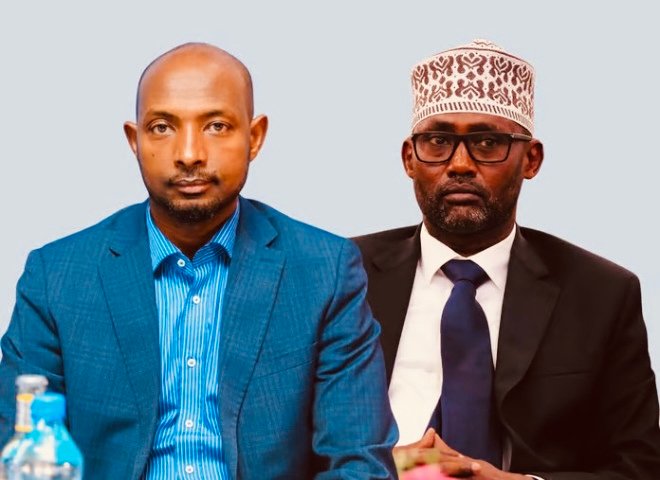
The presidential decision to remove Baashe and appoint Ibrahim Idle Suleiman as his replacement has raised questions about the legal procedures governing the appointment and removal of senior judicial officials.
The dispute has also brought renewed attention to the constitutional safeguards intended to protect the independence of Somalia’s judiciary and prevent undue interference in judicial affairs.
Political and Constitutional Implications
The leadership dispute comes at a sensitive time for Somalia, as disagreements over constitutional amendments, electoral arrangements and relations between the Federal Government and opposition groups continue to shape the country’s political environment.
The Supreme Court plays a central role in interpreting the law, resolving major legal disputes and safeguarding constitutional order. Consequently, disagreements over its leadership could have wider implications for public confidence in the country’s justice system.
Baashe’s rejection of the dismissal raises the possibility of further legal and institutional disagreements over who has the legitimate authority to lead the Supreme Court.
Attention is now focused on how the relevant constitutional institutions will respond to the dispute, whether the former chief justice will formally challenge the decision and how the transition of leadership will proceed.
The unfolding situation represents another important test for Somalia’s constitutional system, particularly regarding the separation of powers, judicial independence and respect for the rule of law.