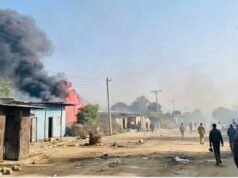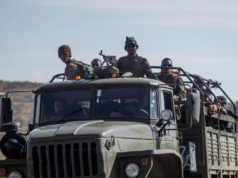
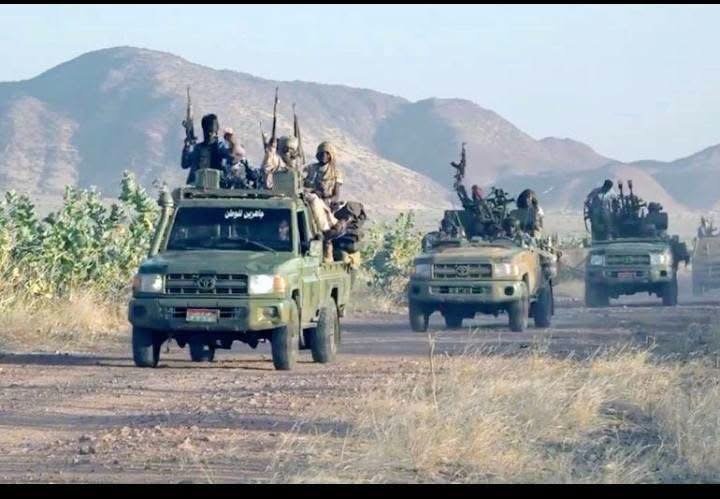
KHARTOUM — Sudan’s conflict has entered a critical stage, with the Sudanese Armed Forces (SAF) making significant battlefield advances while the Rapid Support Forces (RSF) face growing pressure across key strategic areas.
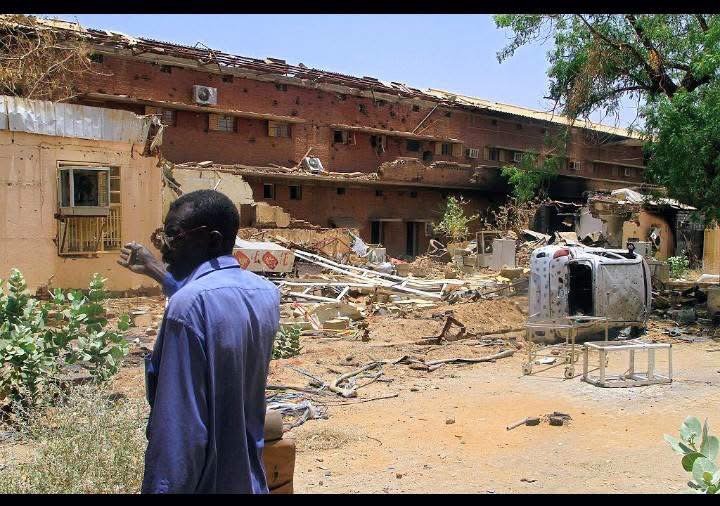
More than three years after fighting erupted between the SAF, led by Gen. Abdel Fattah al-Burhan, and the RSF, commanded by Mohamed Hamdan Dagalo (Hemedti), the war continues to reshape Sudan’s political and security landscape.
Recent developments indicate that the SAF has expanded its influence in parts of North Kordofan, strengthening control over important supply routes and strategic locations linking central Sudan with western regions.
Military analysts say gains in North Kordofan could provide the army with greater operational flexibility, improve movement of forces, and increase pressure on RSF positions in Darfur and other western areas.
The city of El Obeid, the capital of North Kordofan, has emerged as a major focal point in the conflict because of its strategic location, commercial importance, and role as a connection point between Khartoum and western Sudan.
Control of El Obeid and surrounding areas could significantly influence the future direction of the war, although both sides continue to compete for influence through military operations and information campaigns.
Meanwhile, the RSF continues to maintain strong positions in parts of Darfur and western Sudan, relying on its experience in mobile warfare and territorial networks. However, recent SAF advances have increased pressure on the paramilitary group and forced its leadership to review military strategies.
The conflict has also seen increased use of drone technology, with both sides relying on aerial surveillance and drone attacks to target military positions. The growing role of drones has changed the nature of warfare in Sudan and increased the importance of intelligence and technological capabilities.
Despite battlefield developments, Sudan’s humanitarian crisis remains severe. Millions of civilians have been displaced, essential services have collapsed in many areas, and international organizations continue to call for protection of civilians and increased humanitarian access.
Regional and international actors have urged both sides to pursue a political solution, warning that continued fighting risks further instability in Sudan and neighboring countries.
The outcome of the conflict is likely to depend on several factors, including military control of strategic areas, access to resources, international engagement, and the ability of Sudanese leaders to reach a sustainable political settlement.
As fighting continues in Kordofan and Darfur, Sudan remains at a turning point, with the next phase of the conflict expected to play a major role in determining the country’s future.