KHARTOUM — Sudanese Islamist networks linked to the former ruling National Congress Party (NCP) have been accused by political opponents and analysts of coordinating a media campaign aimed at supporting the continuation of the war and undermining calls for a ceasefire.
The allegations focus on members of the Islamic movement that dominated Sudanese politics under former president Omar al-Bashir, who was removed from power in 2019 after months of mass protests. Critics say remnants of the movement have used media outlets and online platforms to promote pro-war narratives, portray peace initiatives as concessions to enemies, and attack civilian-led political forces calling for negotiations.
The campaign has reportedly included messages framing the conflict as a national struggle and warning against international mediation efforts, according to opponents of the Islamist factions. Analysts say the information battle has become a major part of Sudan’s wider conflict, with both sides using propaganda and social media to influence public opinion.
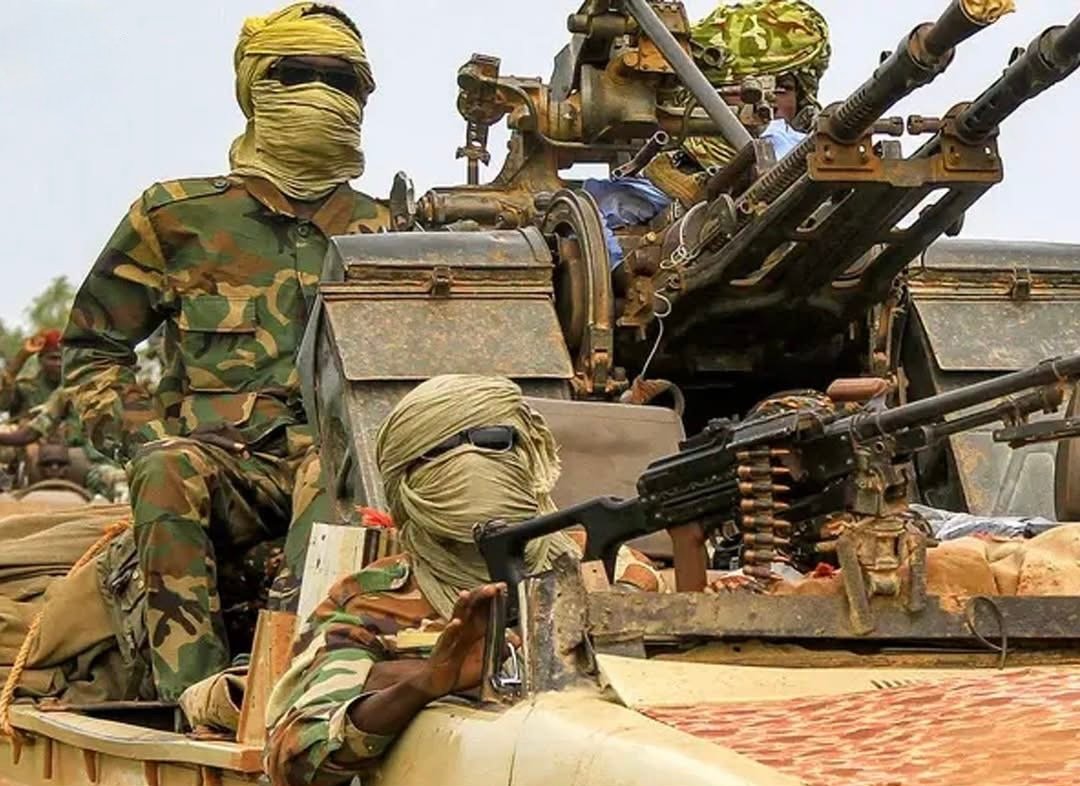
The accusations come as Sudan’s war between the Sudanese Armed Forces (SAF) and the Rapid Support Forces (RSF) enters another phase, with repeated ceasefire initiatives failing to halt the fighting. Recent mediation efforts have focused on securing humanitarian pauses and a pathway toward a civilian-led transition, but disagreements over military withdrawals and political participation have slowed progress.
Supporters of the SAF reject claims that Islamist groups are controlling the military’s decisions, arguing that the army is fighting to preserve the state against the RSF. Former regime figures and Islamist groups have also denied accusations that they are deliberately prolonging the war.
The dispute highlights Sudan’s complex wartime landscape, where military factions, former regime networks, armed groups, and political movements are competing not only on the battlefield but also for influence over the country’s future.