
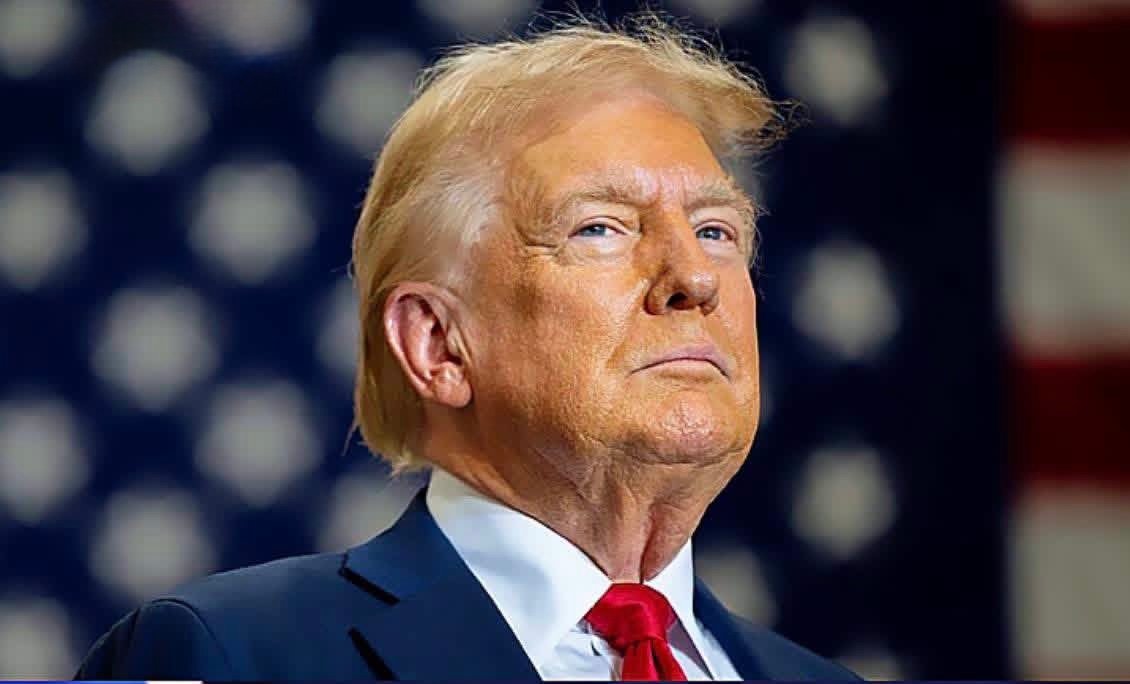
WASHINGTON — Relations between U.S. President Donald Trump and Israeli Prime Minister Benjamin Netanyahu are facing renewed tension amid growing disagreements over Middle East conflicts, particularly in relation to Iran, Lebanon, and broader regional security strategy.
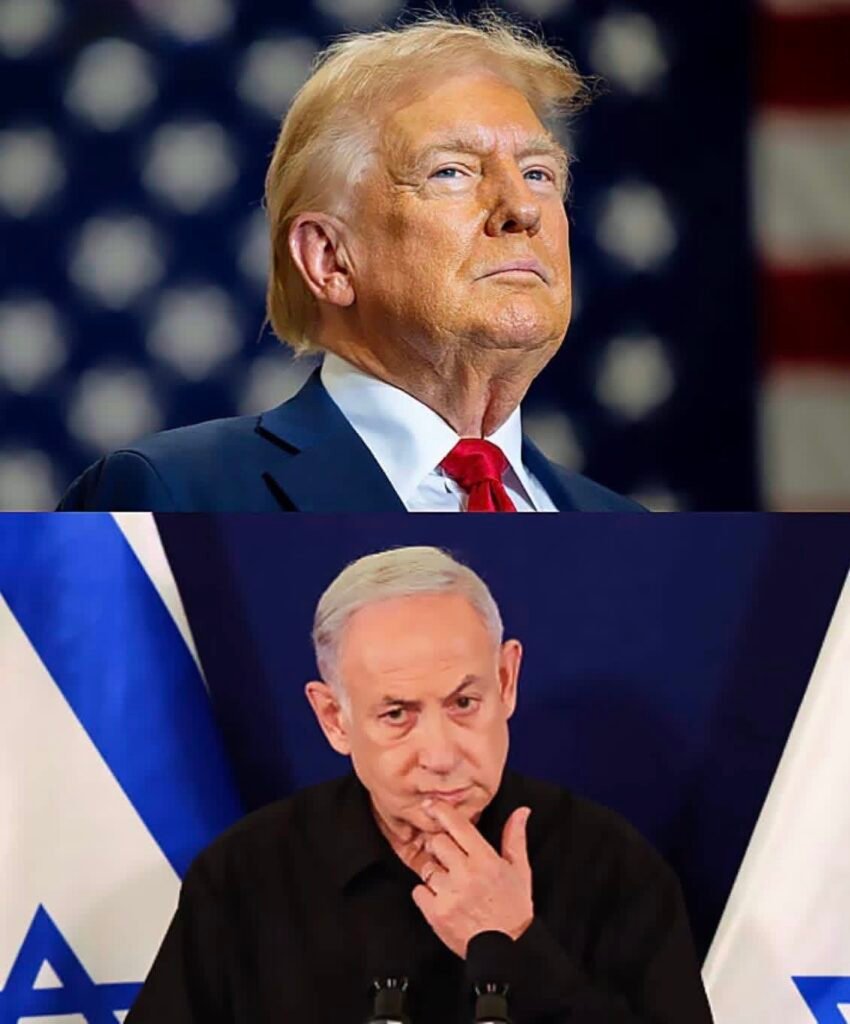
Trump has recently criticized aspects of Israeli military operations in Lebanon, urging greater restraint and warning that continued escalation could further destabilize the region. Reports also suggest that Washington has pushed for caution to avoid undermining ongoing diplomatic efforts involving Iran and wider ceasefire negotiations.
The tensions come after months of sustained conflict across the region involving Israel, Iran, and various armed groups. While U.S. officials continue to support de-escalation efforts, Israeli leaders have expressed concern that diplomatic compromises could weaken national security and embolden rival actors.
Trump has highlighted his role in trying to prevent a broader regional war, stating that U.S. intervention has helped contain escalation and preserve fragile ceasefire arrangements. At the same time, he has reportedly expressed frustration with Netanyahu’s handling of certain military decisions, reflecting emerging differences in strategic approach.
Analysts say the friction highlights a broader debate in Washington over how to balance military support for allies with diplomatic efforts to stabilize an increasingly volatile region.
Despite the tensions, the United States and Israel remain close strategic partners. However, recent developments suggest growing differences over how to manage Iran, Hezbollah, and the long-term security structure of the Middle East.
As diplomacy continues alongside persistent regional instability, the trajectory of U.S.-Israel relations may play a key role in shaping whether the region moves toward further escalation or renewed negotiations.