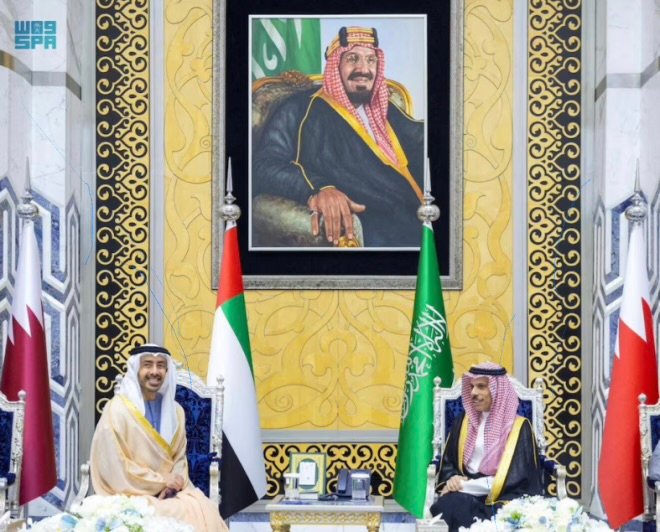
DUBAI — The United Arab Emirates announced on Tuesday that it is withdrawing from the Organization of the Petroleum Exporting Countries (OPEC), in a move that could reshape global oil politics at a time of heightened regional instability linked to the Iran war and tensions in the Gulf.
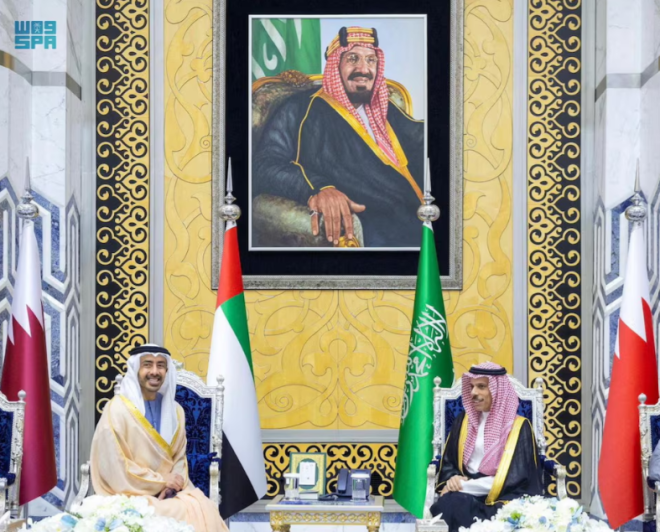
The decision marks a significant break from one of the world’s most influential energy alliances and comes amid growing friction among Gulf producers over production policy, geopolitical alignment, and long-term energy strategy.
OPEC, which has traditionally sought to maintain unity among its members despite internal disagreements, could face renewed uncertainty following the UAE’s exit, particularly as the group continues to coordinate production cuts and pricing strategies with its wider OPEC+ partners.
UAE Energy Minister Suhail Mohamed al-Mazrouei confirmed the decision, saying it followed “a careful review of current and future energy policies related to production levels.”
He said the move was a sovereign policy decision and did not require consultation with other OPEC members, including Saudi Arabia, the bloc’s de facto leader.
“This is a strategic decision based on the UAE’s long-term energy outlook,” Mazrouei told Reuters, adding that the country’s production plans would be guided by national priorities rather than collective quotas.
The UAE’s departure from both OPEC and the broader OPEC+ alliance is expected to raise questions about coordination among major oil exporters at a time when global energy markets are already under pressure.
In recent months, Gulf producers have faced growing disruptions to shipping routes through the Strait of Hormuz — a critical chokepoint through which roughly one-fifth of global crude oil and liquefied natural gas flows. Iranian threats and reported attacks on commercial vessels have heightened concerns over supply stability.
Despite the political shock, Mazrouei downplayed the potential market impact of the UAE’s exit, arguing that existing supply constraints linked to regional tensions would have a greater influence on global prices than the organizational shift itself.
Analysts say the development could signal deeper divisions within OPEC, particularly as member states balance domestic economic ambitions with collective market management in an increasingly volatile geopolitical environment.
The UAE has been among OPEC’s more production-expansion-oriented members in recent years, often pushing for higher output quotas to support its economic diversification plans.
No immediate response was issued by OPEC headquarters or Saudi officials following the announcement.