Source: National Independent Human Rights Commission
MOGADISHU — Somalia’s National Independent Human Rights Commission on Tuesday held high-level discussions with the United Nations children’s agency UNICEF aimed at strengthening cooperation on child rights protection and welfare systems in the country, officials said.
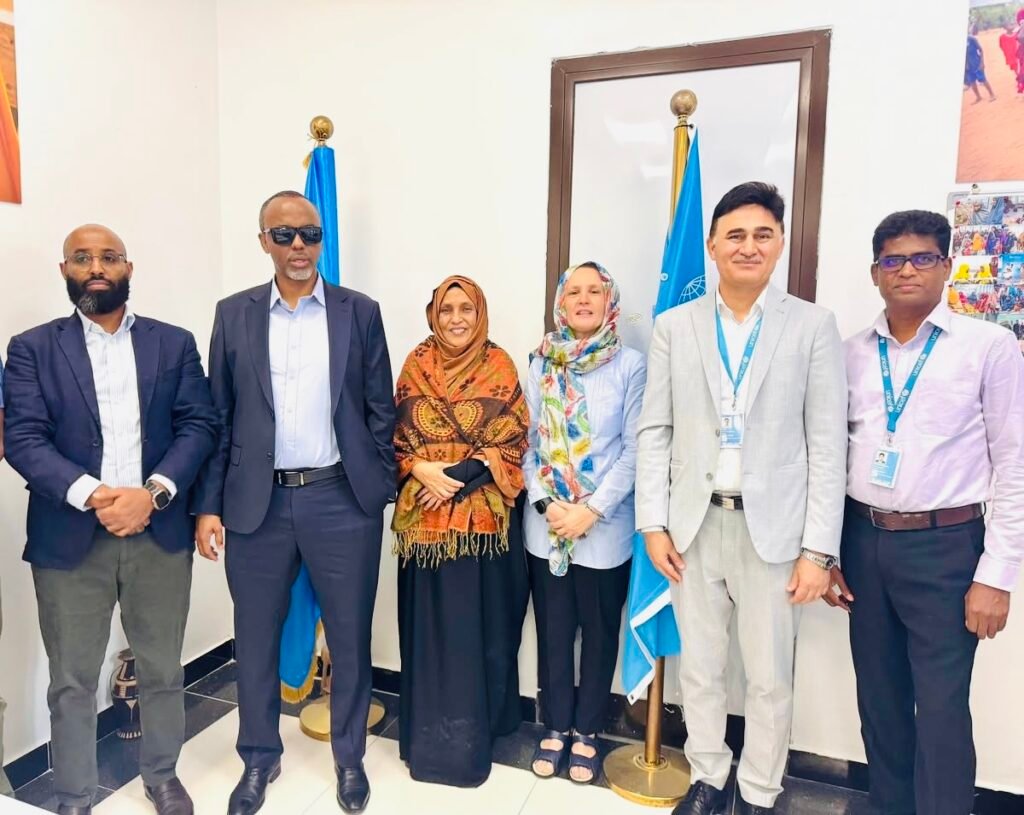
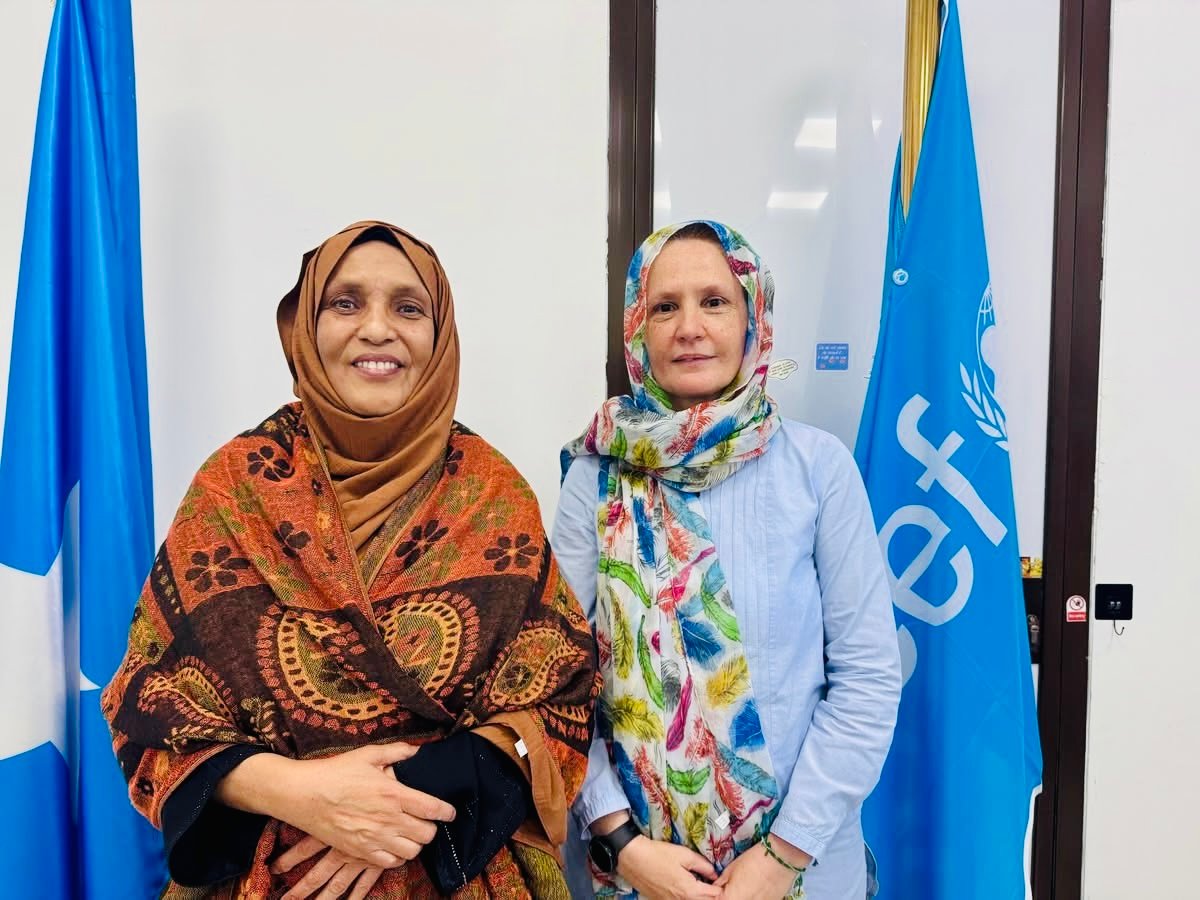
The meeting, held in Mogadishu, brought together the Chairperson of Somalia’s National Independent Human Rights Commission, Dr. Maryam Qasim, and UNICEF Representative for Somalia Sandra Lattouf, amid growing efforts to improve protections for vulnerable children affected by conflict, displacement, poverty, and climate-related crises.
According to a statement released after the talks, the discussions focused on enhancing collaboration between the commission and UNICEF in promoting and safeguarding children’s rights, while reinforcing national mechanisms responsible for child welfare and protection.
Dr. Maryam Qasim stressed the importance of translating child rights commitments into practical action, saying protections for children should not remain limited to policy declarations or institutional promises.
“The protection of children’s rights must be reflected in the daily realities of Somali children,” she said, emphasizing that safeguarding vulnerable groups remains a top priority for the commission.
She also highlighted the need for stronger accountability systems, improved legal protections, and closer coordination between government institutions, international partners, and civil society organizations working on child welfare issues.
UNICEF Representative Sandra Lattouf welcomed the meeting and reaffirmed the agency’s commitment to supporting Somali national institutions in strengthening child protection frameworks and promoting accountability mechanisms.
According to the statement, UNICEF expressed readiness to expand technical and institutional support aimed at improving services for children, particularly in areas affected by insecurity and humanitarian challenges.
Somalia continues to face major child protection concerns linked to decades of armed conflict, internal displacement, food insecurity, and limited access to education and healthcare. International agencies have repeatedly warned that children remain among the m ost vulnerable groups in the country, facing risks including recruitment by armed groups, child labor, forced displacement, and malnutrition.
The meeting comes as Somali authorities and international partners seek to strengthen governance institutions and improve human rights protections amid ongoing humanitarian and security challenges across the Horn of Africa nation.