By HAN News Desk
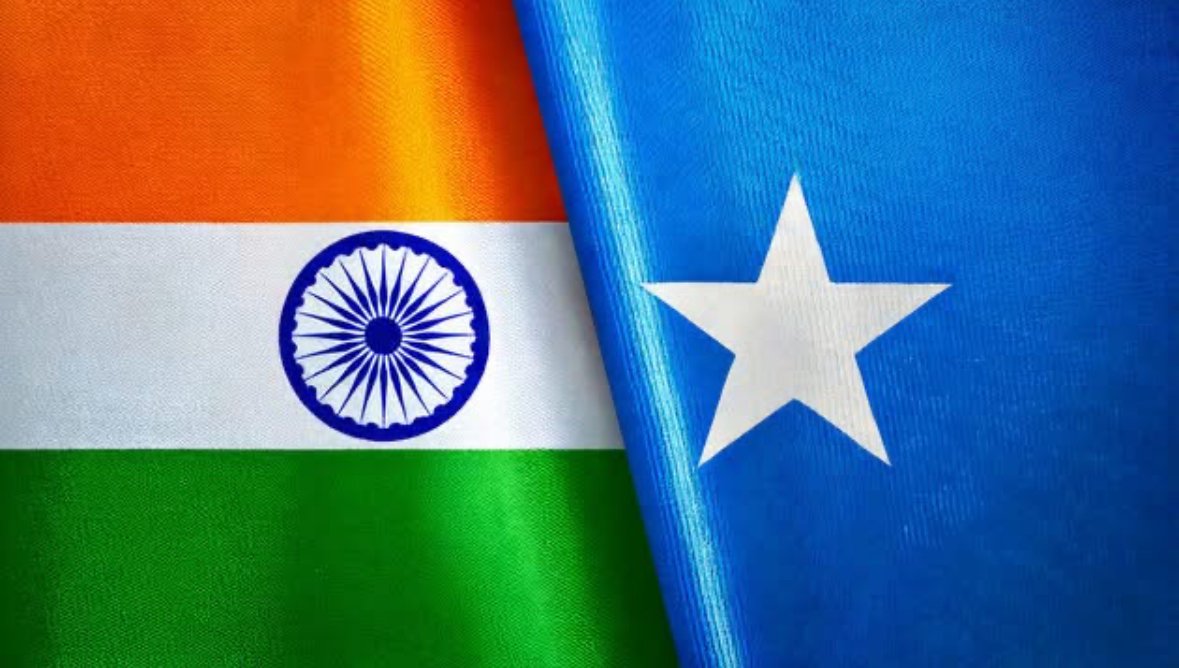
KAMPALA — Uganda has announced that it will no longer grant refugee status to people arriving from countries that are not currently experiencing active conflict, including Ethiopia, Somalia and Eritrea, according to reporting by The Daily Monitor.
The decision marks a significant shift in the country’s long-standing, widely praised open-door refugee policy, which has made Uganda the largest refugee-hosting nation in Africa and one of the largest in the world. The country is currently home to nearly two million refugees, mainly from South Sudan and the Democratic Republic of Congo.
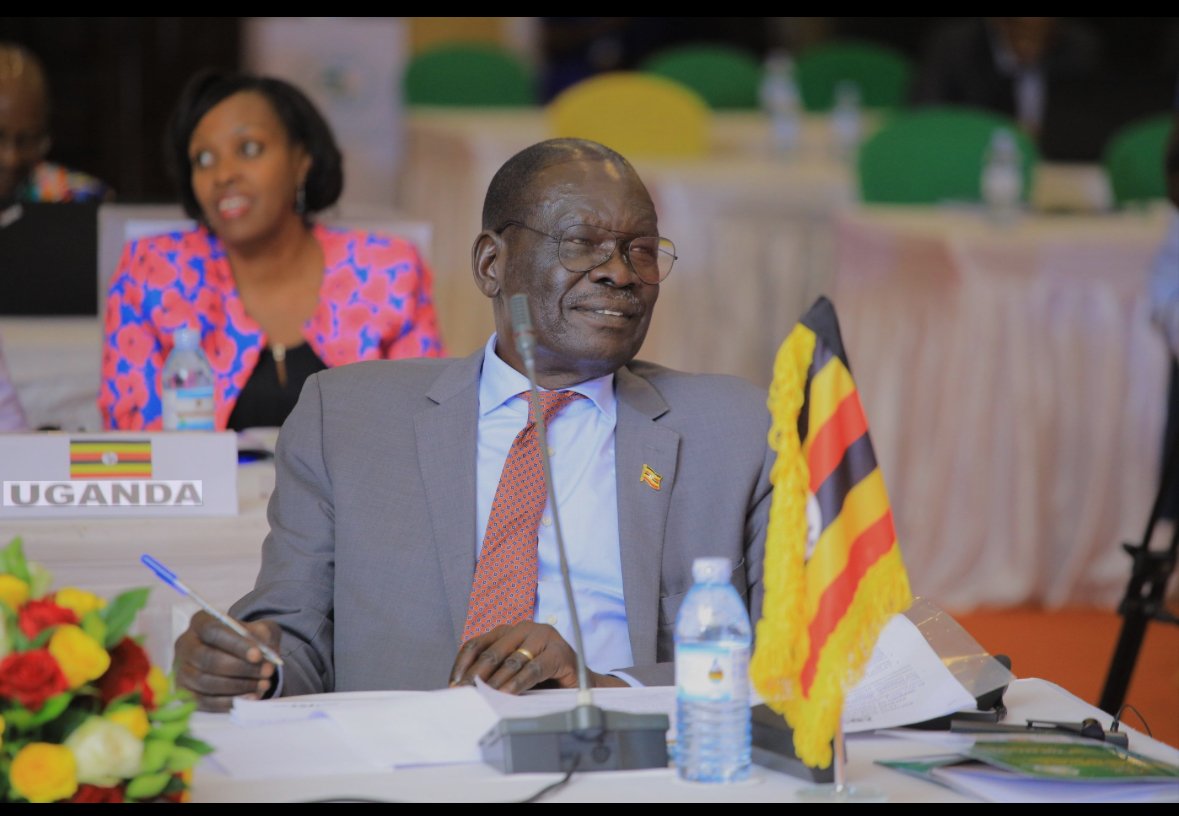
Officials say the move has been driven by severe funding shortages, a growing humanitarian burden, and dwindling international support. Uganda’s Minister for Relief, Disaster Preparedness and Refugees, Hilary Onek, said the government used to receive about US$240 million a year from the UN refugee agency (UNHCR) and international donors. That figure has dropped dramatically in recent years, he said, falling to less than US$100 million, and in 2025, the government has so far received only US$18 million.
According to Minister Onek, the reduction in funding has strained essential services across refugee settlements, including health care, shelter, water supply, food distribution and education. He warned that the current burden is unsustainable without stronger donor commitment.
Despite the new restrictions, Ugandan authorities insist that the country is not closing its borders. Officials say people fleeing hardship from Ethiopia, Somalia and Eritrea will still be allowed to enter Uganda, but new arrivals from these countries will no longer be registered as refugees or given official refugee protection status.
However, individuals from nations facing ongoing armed conflict will continue to be processed under Uganda’s refugee framework. Meanwhile, existing refugees from Ethiopia, Somalia and Eritrea will retain their current status and will not be affected by the policy change.