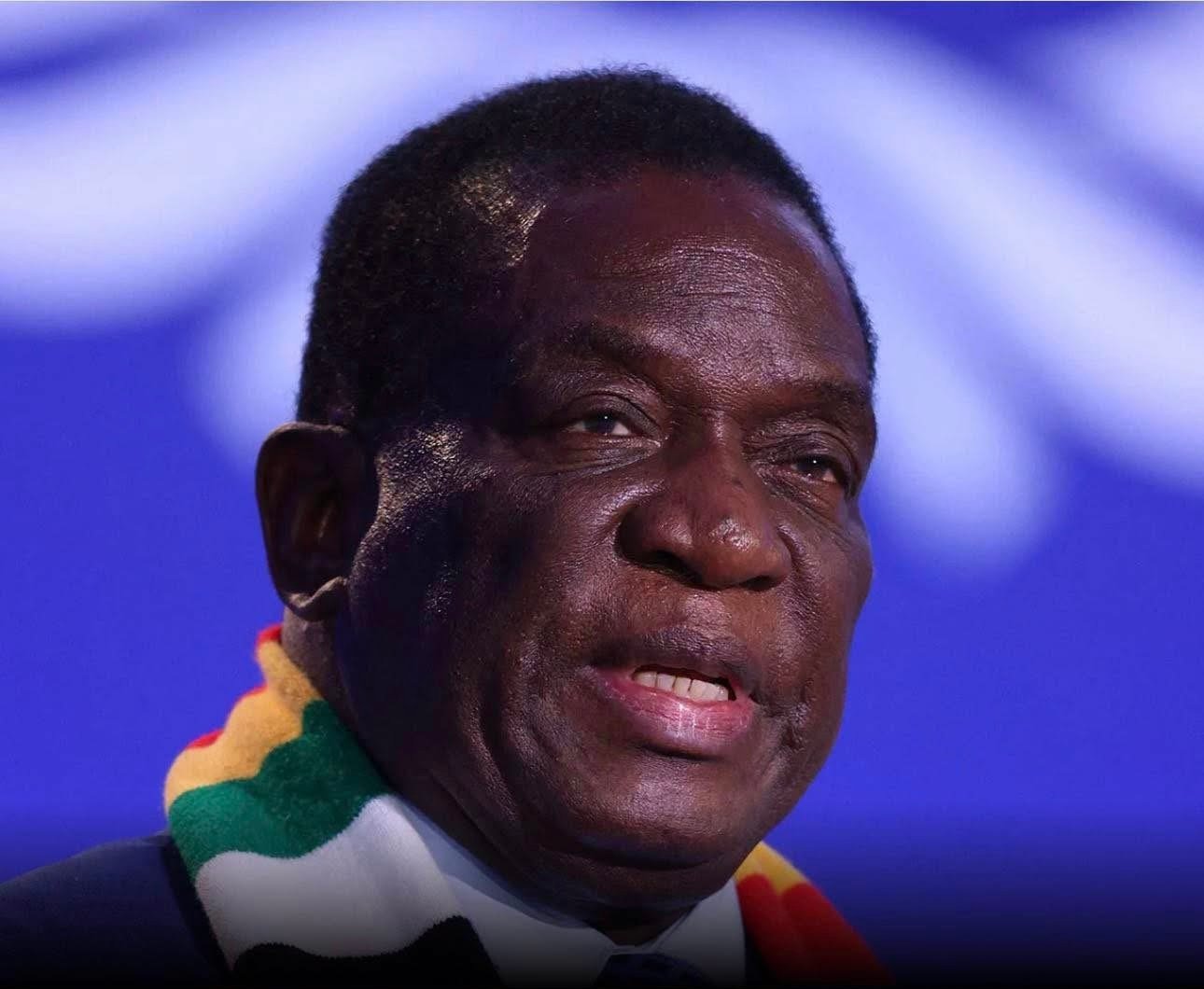
HARARE — Zimbabwe’s House of Assembly has passed a controversial constitutional amendment bill that could significantly reshape the country’s electoral system and extend the time in office of President Emmerson Mnangagwa, according to parliamentary proceedings and local reports.
Constitutional Amendment Bill No. 3 proposes two major changes: extending presidential and parliamentary terms from five to seven years, and replacing direct presidential elections with an indirect system in which members of parliament would select the head of state in a joint sitting after general elections.
If fully enacted, the reforms would extend the current presidential term timeline from 2028 to 2030, effectively prolonging Mnangagwa’s rule under the new constitutional framework.
Under the proposed system, the ruling Zimbabwe African National Union–Patriotic Front (ZANU-PF), which holds a dominant majority in parliament, would be in a position to determine the presidency without a nationwide popular vote.
The bill has now been forwarded to the Senate for further debate and approval. It is also expected to face legal scrutiny, with opposition groups and constitutional lawyers arguing that the changes may violate entrenched clauses in the 2013 constitution, which was designed to safeguard direct presidential elections and limit executive overreach.
Critics say the reform represents a major shift away from direct democratic participation in selecting the head of state, while supporters argue it could improve governance efficiency and reduce the costs of national elections.
President Mnangagwa has previously described himself as a defender of constitutional rule, though opposition figures have repeatedly accused his administration of seeking to consolidate political power through legal and institutional changes.
The constitutional court is also expected to hear challenges related to the amendment process.
The developments come amid heightened political tensions in Zimbabwe, where debates over term limits, electoral fairness, and institutional independence have remained central since the adoption of the 2013 constitution.
If enacted, the changes would mark one of the most significant revisions to Zimbabwe’s political system in over a decade.