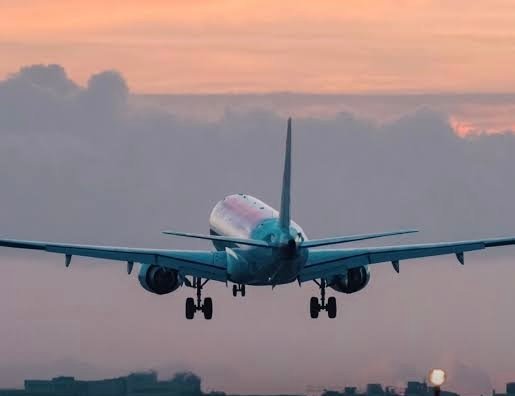
PARIS — Escalating tensions involving Iran are increasingly disrupting global air travel, as fuel shortages, rising operational costs and restricted airspace force airlines to scale back schedules and rethink routes, industry analysts say.
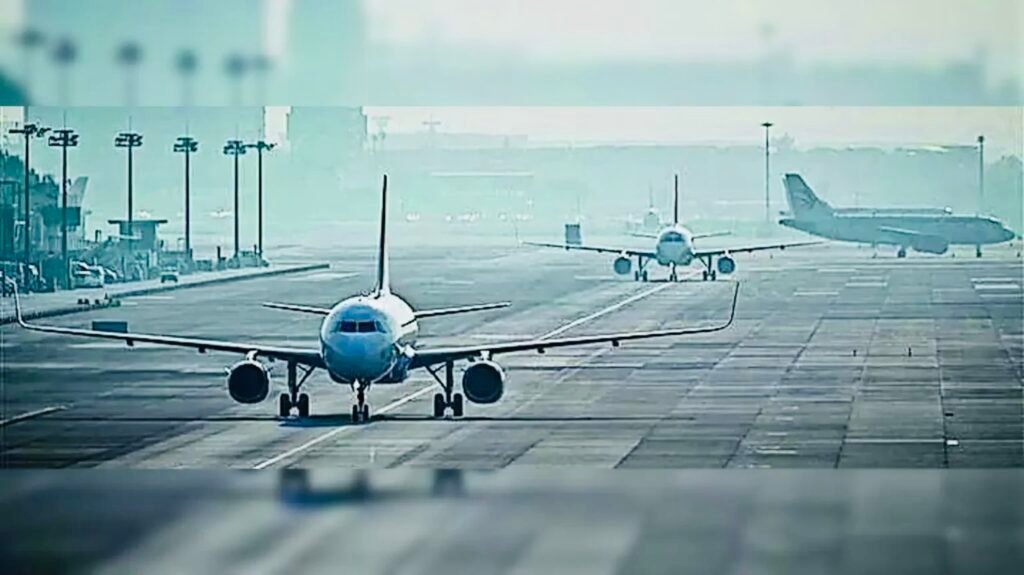
A recent report by Financial Times highlights growing turbulence across the aviation sector, with carriers cancelling millions of seats planned for May over the past two weeks alone. Available global seat capacity has fallen from approximately 132 million to 130 million, reflecting a sharp contraction in supply at the start of the peak travel season.
Airlines worldwide have also delayed or suspended thousands of flights, citing difficulties in securing jet fuel and navigating increasingly complex flight paths. Several carriers have resorted to deploying smaller, more fuel-efficient aircraft in an effort to contain costs and maintain limited operations.
The disruptions have driven ticket prices higher, adding pressure on passengers already facing elevated travel expenses. Some airlines have warned that profit margins for the year could decline if instability persists.
Compounding the situation, partial closures and operational restrictions at key Gulf airports have intensified scheduling challenges, particularly on routes linking Europe and Asia — among the busiest and most commercially significant corridors in global aviation.
Major hubs in Asia, including Tokyo International Airport and Singapore Changi Airport, are now reviewing flight schedules and capacity planning. Authorities in parts of Asia have also begun exploring measures to regulate or limit jet fuel consumption amid tightening supplies.
Aviation experts warn that if tensions in the region continue to escalate, the ripple effects could extend beyond airlines, impacting global trade, tourism flows, and passenger mobility on a broader scale.
“The aviation sector is highly sensitive to geopolitical shocks,” one industry analyst noted. “What we are seeing now is not just a regional disruption — it has the potential to become a global aviation crisis if conditions worsen.”