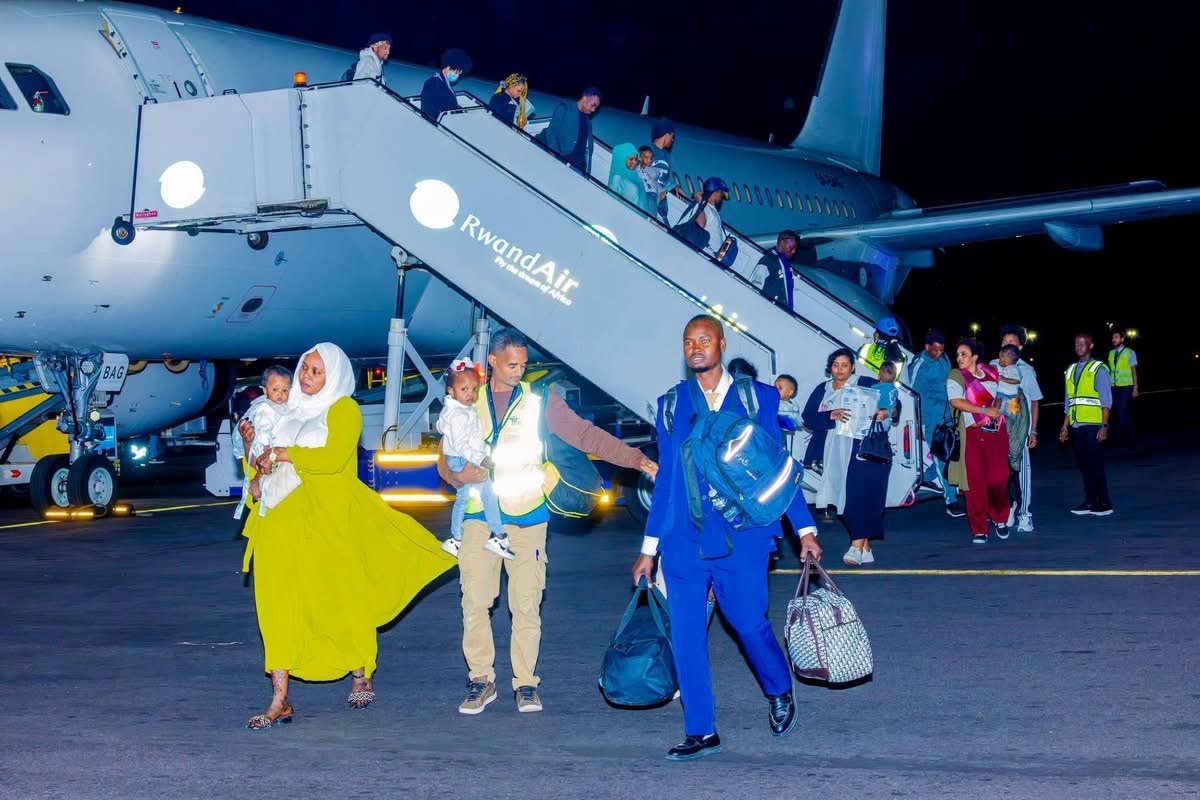
KIGALI — The Government of Rwanda has received 173 asylum seekers evacuated from Libya under the Emergency Transit Mechanism (ETM), a humanitarian programme supported by the United Nations High Commissioner for Refugees (UNHCR) aimed at protecting vulnerable refugees and asylum seekers stranded in Libya.
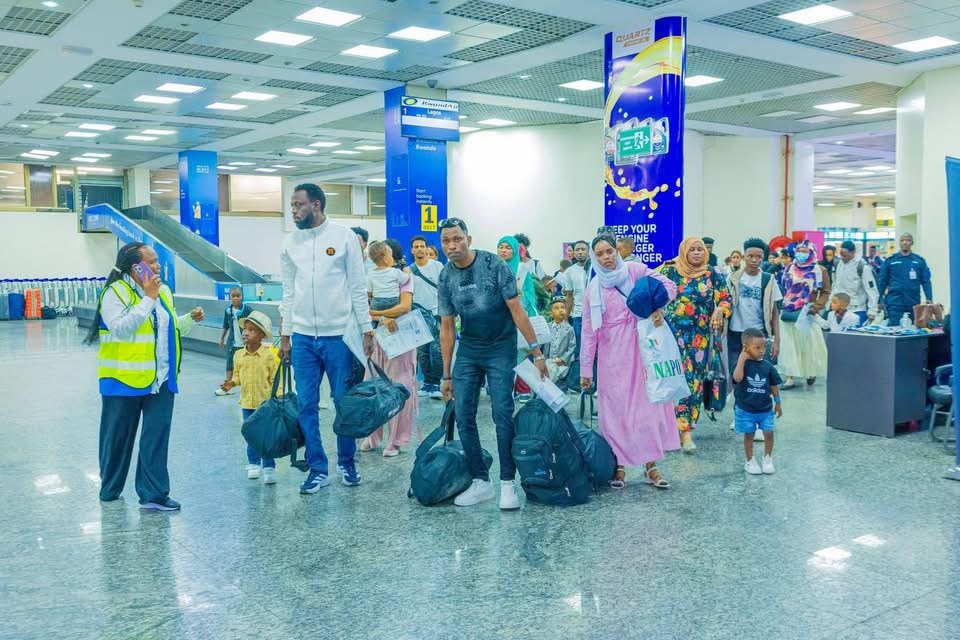
According to Rwanda’s Ministry in charge of Emergency Management, the latest group includes 12 South Sudanese nationals, as well as asylum seekers from Sudan, Eritrea, Somalia, and Ethiopia. The evacuees were transferred from Libya to Rwanda, where they will receive temporary protection, humanitarian assistance, and support while durable solutions such as resettlement, voluntary repatriation, or local integration are explored.
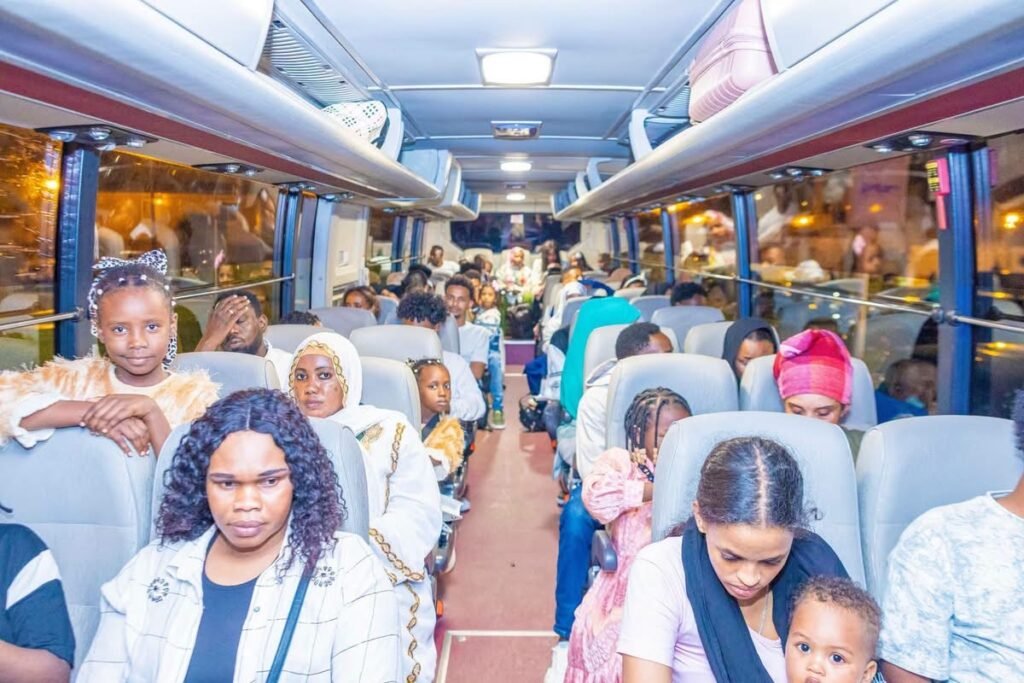
The evacuation forms part of the Emergency Transit Mechanism established through cooperation between the Government of Rwanda, UNHCR, and international partners. Since the programme began, Rwanda has hosted thousands of refugees and asylum seekers evacuated from detention centers and unsafe conditions in Libya.
Many migrants and asylum seekers attempting to reach Europe travel through Libya, often relying on human smugglers who promise safe passage across the Mediterranean Sea. However, the route remains one of the world’s deadliest migration corridors. Hundreds of migrants die each year while attempting the dangerous sea crossing between Libya and Italy, with overcrowded and unseaworthy boats frequently sinking before reaching European shores.
Humanitarian organizations have repeatedly warned that conflict, persecution, poverty, and lack of opportunities continue to push people from countries in the Horn of Africa and elsewhere to undertake risky migration journeys. UNHCR and its partners say programmes such as the Emergency Transit Mechanism provide a safer alternative for some of the most vulnerable individuals trapped in Libya.
Rwanda has gained international recognition in recent years for its role in hosting and protecting refugees through partnerships with UN agencies and other humanitarian organizations, positioning itself as an important transit and protection hub for displaced people in Africa.