GENEVA — The United Nations has released $10 million in emergency funding for Somalia as the country faces a deepening humanitarian crisis driven by drought, conflict, displacement, and worsening food insecurity, UN officials announced.
UN Emergency Relief Coordinator Tom Fletcher said the funds were allocated from the Central Emergency Response Fund (CERF) to support urgent humanitarian operations aimed at preventing famine in some of the country’s hardest-hit regions.
“The window to prevent famine in Somalia is short,” Fletcher said, warning that millions of people are facing increasingly desperate conditions as humanitarian needs continue to outpace available resources.
According to the United Nations, approximately 6 million people across Somalia are experiencing severe food insecurity, including 1.9 million people facing emergency levels of hunger. Humanitarian agencies estimate that hundreds of thousands of children are at risk of acute malnutrition if assistance is not rapidly expanded.
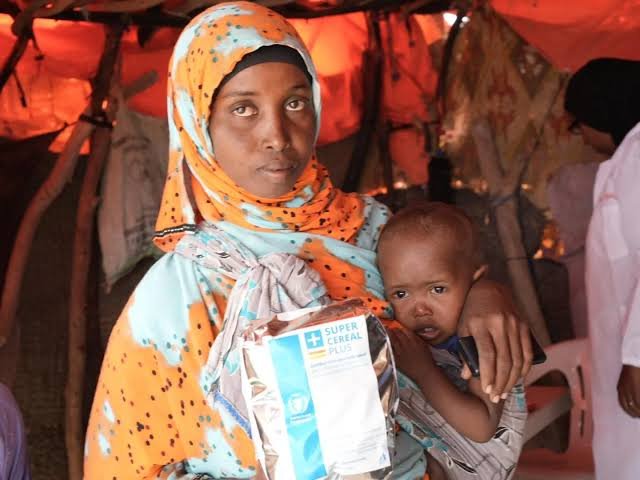
The emergency funding will provide life-saving food assistance, nutrition support, healthcare services, clean water, and sanitation programs for around 640,000 vulnerable people, particularly in areas where food shortages have reached critical levels.
The UN has identified a credible risk of famine in parts of Bay and Bakool regions in South West State, especially among agropastoral communities that depend on both farming and livestock for survival. Consecutive poor rainy seasons have devastated crop production, dried up water sources, and weakened livestock herds, leaving many families without reliable sources of food or income.
Humanitarian officials reported that more than 500,000 people have been displaced since the beginning of 2026, many of them forced to leave their homes in search of food, water, and humanitarian assistance. The displacement has placed additional pressure on already overstretched aid services and host communities.
Somalia remains highly vulnerable to climate-related shocks. The country has endured repeated cycles of drought and flooding in recent years, while ongoing insecurity in several regions has complicated aid delivery and limited access to vulnerable populations.
The UN warned that rising food prices, disease outbreaks, and reduced access to basic services are further worsening the crisis. Aid agencies have appealed for increased international support, stressing that early intervention remains critical to preventing a full-scale famine.
Humanitarian organizations operating in Somalia say additional funding will be needed in the coming months to sustain relief efforts and protect millions of people from further deterioration in living conditions.
Source: Anadolu Agency (AA).