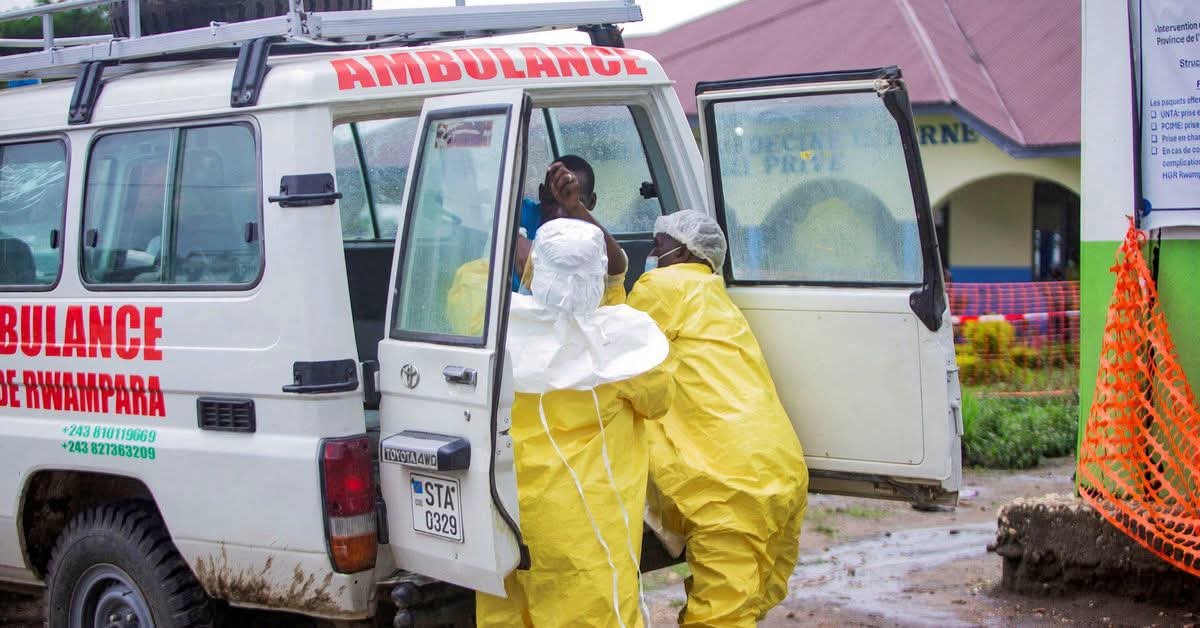
KINSASHA — The Government of the Democratic Republic of Congo (DRC) has announced that the number of officially confirmed Ebola cases has surpassed 3,000, with the outbreak claiming the lives of 1,354 people, according to government data released on Saturday.
The latest report indicates that a total of 3,075 confirmed Ebola cases have been recorded, making this one of the largest Ebola outbreaks the country has experienced in recent years. The outbreak continues to pose a serious public health challenge, particularly in areas where access to healthcare remains limited.
Health authorities have intensified efforts to contain the spread of the virus by expanding laboratory testing, strengthening surveillance systems, increasing contact tracing, and improving treatment services in the regions most heavily affected. Medical teams are also working to identify new cases quickly and isolate infected individuals to reduce further transmission.
Community awareness campaigns are being carried out across affected areas to educate the public about Ebola symptoms, methods of transmission, and preventive measures. People are being encouraged to seek medical care immediately if they develop symptoms and to avoid direct contact with anyone suspected of being infected.
However, local and international health organizations have warned that the official figures may not fully reflect the true scale of the outbreak. They believe the actual number of infections could be significantly higher due to several challenges, including insecurity in some regions, difficult transportation conditions, limited access to remote communities, and shortages of healthcare services. These factors make it difficult for health workers to detect, confirm, and report every Ebola case.
Ebola is a severe and often fatal viral disease that spreads through direct contact with the blood or other bodily fluids of an infected person or someone who has died from the disease. It can also spread through contact with contaminated objects or surfaces. Early symptoms include sudden high fever, severe headache, muscle pain, weakness, sore throat, vomiting, and diarrhea. In more severe cases, patients may develop internal and external bleeding, organ failure, and other life-threatening complications.
National health authorities, working closely with international organizations such as the World Health Organization (WHO) and other humanitarian partners, continue to support the Congolese government in controlling the outbreak. Their efforts include strengthening healthcare facilities, training medical personnel, supplying vaccines and protective equipment where available, improving laboratory capacity, and supporting affected communities.
According to the latest government figures, 3,075 people have been confirmed to have Ebola, while 1,354 people have died from the disease. These numbers highlight the urgent need to accelerate disease surveillance, prevention measures, public awareness, and international cooperation to reduce further loss of life and bring the outbreak under control.