CAIRO — Egypt has intensified diplomatic efforts to reduce escalating tensions between the United States and Iran, seeking to reopen channels of dialogue and prevent a wider regional conflict that officials fear could spiral beyond the control of key Middle Eastern powers.
Egyptian Foreign Minister Badr Abdelatty has said Cairo is engaging with regional and international partners in an effort to promote a diplomatic solution, end military escalation, and address the security concerns of all sides. Egyptian officials argue that negotiations remain the best path to avoid a prolonged confrontation with consequences across the region.
The Egyptian initiative is driven by strategic concerns. A major US-Iran conflict could threaten regional stability, disrupt global energy supplies, affect maritime trade routes, and increase security risks in areas surrounding the Red Sea and the Horn of Africa. Egypt’s economy is particularly sensitive to instability affecting the Suez Canal, one of the world’s most important shipping corridors.
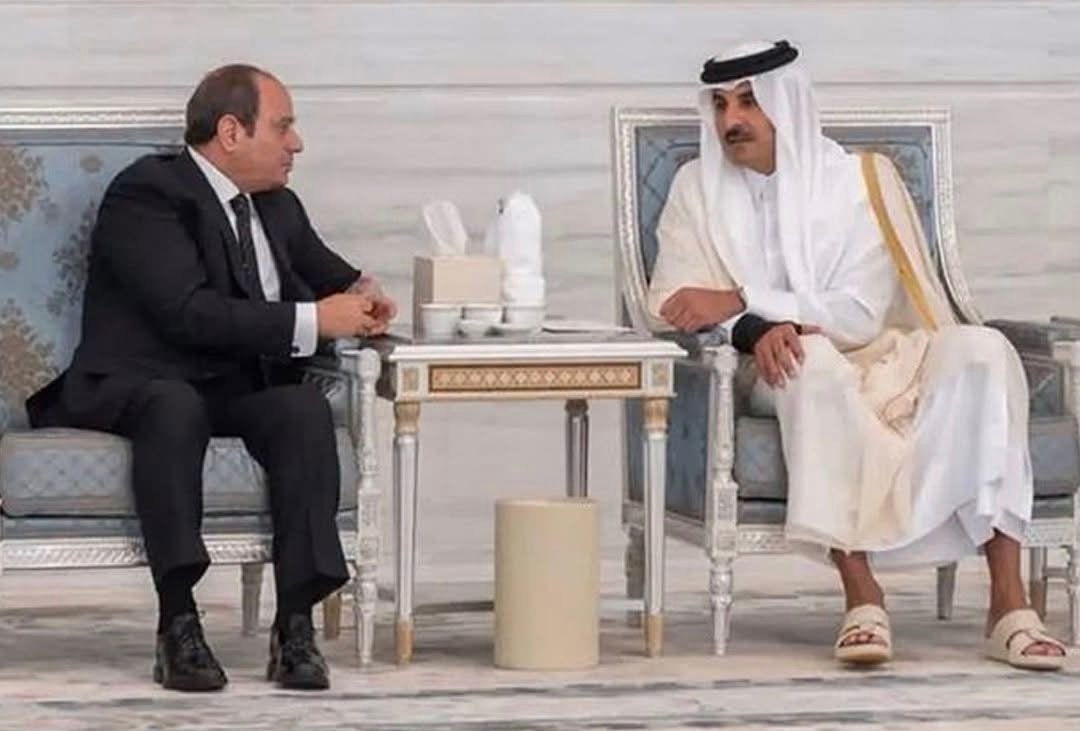
Cairo has also been coordinating with regional actors, including Saudi Arabia and Qatar, as part of wider efforts to contain tensions. Egyptian officials have emphasized that any future agreement should address Gulf security concerns, preserve freedom of navigation, and prevent the region from entering a broader cycle of conflict.
However, significant challenges remain. Washington and Tehran remain deeply divided over Iran’s nuclear programme, sanctions, regional military influence, and guarantees required for any long-term agreement. Years of mistrust, combined with recent confrontations, have made the return to negotiations a difficult diplomatic task.
Analysts say Egypt’s role reflects its long-standing position as a regional mediator, balancing relations with the United States, Gulf allies, and other Middle Eastern powers. Cairo’s objective is not only to prevent war but also to protect its economic interests and maintain regional security at a time of growing instability.
The diplomatic effort comes as fears increase that continued US-Iran tensions could reshape the security landscape of the Middle East and create wider consequences beyond the region.