
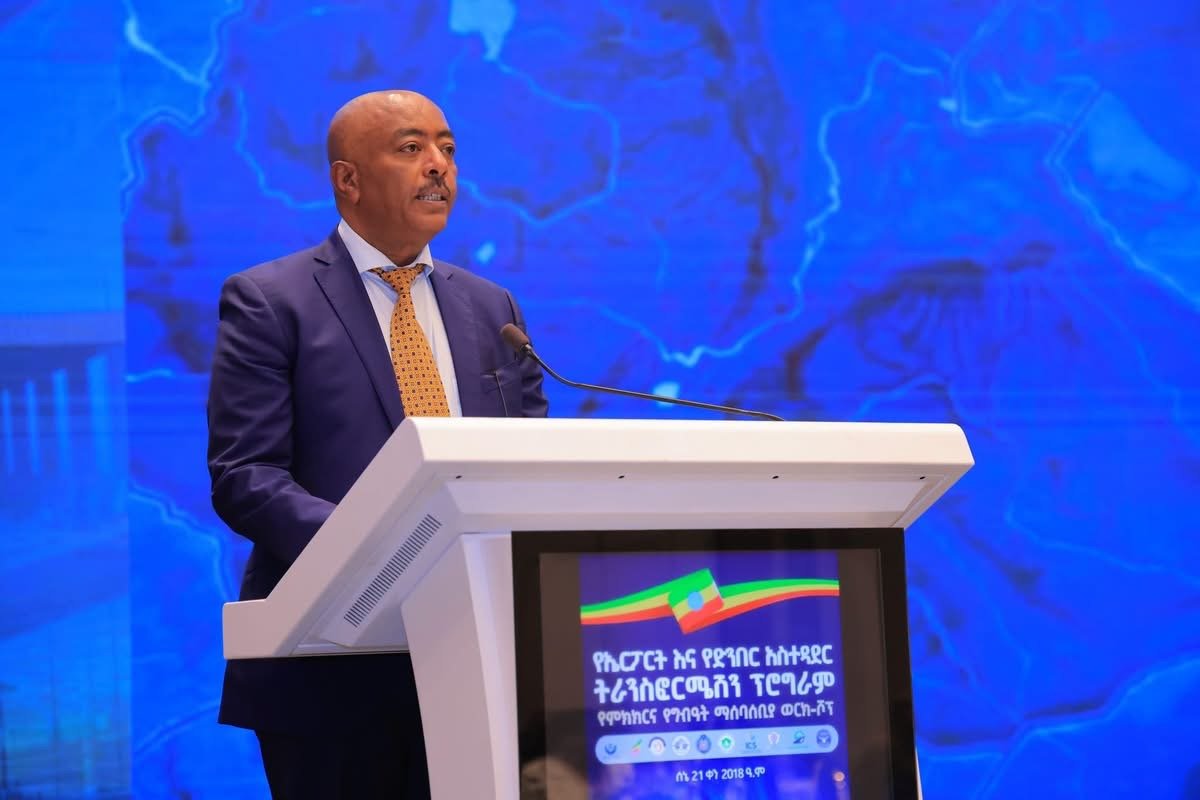
ADDIS ABABA — Ethiopia is rolling out new technology-driven border and airport security systems as part of efforts to strengthen national security, improve border management and support the country’s broader digital transformation agenda.

Officials say the upgraded system will use artificial intelligence, biometric identification and enhanced data-sharing capabilities to help detect and prevent terrorism, human trafficking, smuggling and other forms of cross-border crime.
The initiative forms part of the government’s Digital Ethiopia 2030 strategy, which aims to modernize public services, expand digital infrastructure and improve the use of technology across key sectors of the economy and state institutions.
Authorities say the new security framework is designed to improve screening procedures at airports and border crossings while facilitating the movement of legitimate travelers and trade. The system is also expected to strengthen cooperation between security agencies and improve real-time information sharing.
The modernization effort comes as several African countries increasingly invest in digital border management technologies to address evolving security challenges and improve the efficiency of customs, immigration and law enforcement operations.
Analysts say advances in artificial intelligence and biometric systems are becoming central to border security strategies across the continent, reflecting growing concerns over transnational crime networks, irregular migration and regional instability.
Supporters argue that technology-based solutions can enhance security while reducing delays and improving operational efficiency. However, some rights advocates have called for safeguards to ensure that the use of AI and data collection complies with privacy protections and human rights standards.
Ethiopian officials maintain that the initiative is intended to strengthen national sovereignty, support regional stability and facilitate the country’s integration into global transportation and trade networks.
The project represents another step in Ethiopia’s broader modernization efforts as authorities seek to leverage technology to improve governance, security and economic development.