

ADDIS ABABA — Abiy Ahmed has renewed calls for Ethiopia to secure access to the sea, warning that the country’s economic future and the livelihoods of its estimated 130 million people could be endangered if the landlocked state fails to obtain reliable maritime access.
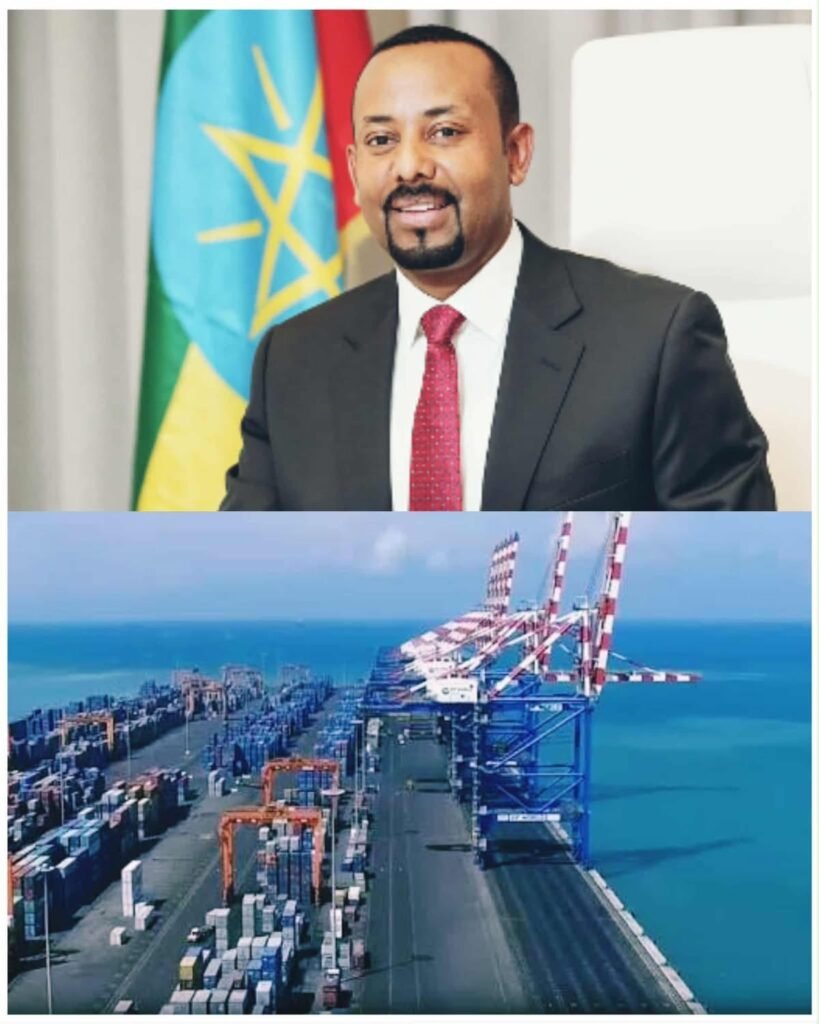
In an interview with state broadcaster Ethiopian Broadcasting Corporation (EBC), Abiy said access to a seaport has become a “critical national priority,” arguing that Ethiopia’s long-term development, trade competitiveness, and regional influence are constrained by its current geographic position.
Ethiopia has been landlocked since 1993, following the independence of Eritrea, and has since relied heavily on neighboring ports—particularly in Djibouti—for the vast majority of its imports and exports. Officials say rising trade volumes, population growth, and industrial expansion have increased pressure on existing transport corridors.
Abiy argued that dependence on external port infrastructure exposes Ethiopia to “strategic and economic vulnerabilities,” including high logistics costs and limited control over supply chains. He said securing stable and efficient maritime access is essential for sustaining economic growth and meeting the needs of a rapidly expanding population.
The remarks come amid ongoing regional discussions over trade routes and port access across the Horn of Africa, including renewed diplomatic and economic engagement between inland and coastal states. The issue remains highly sensitive, as coastal countries in the region view port sovereignty as a key element of national security and economic policy.
Analysts note that Ethiopia’s growing demand for maritime access could intensify negotiations and competition over infrastructure partnerships in the region, potentially reshaping trade dynamics in the Horn of Africa, where access to the sea remains a central geopolitical concern.