Source: Wow Africa
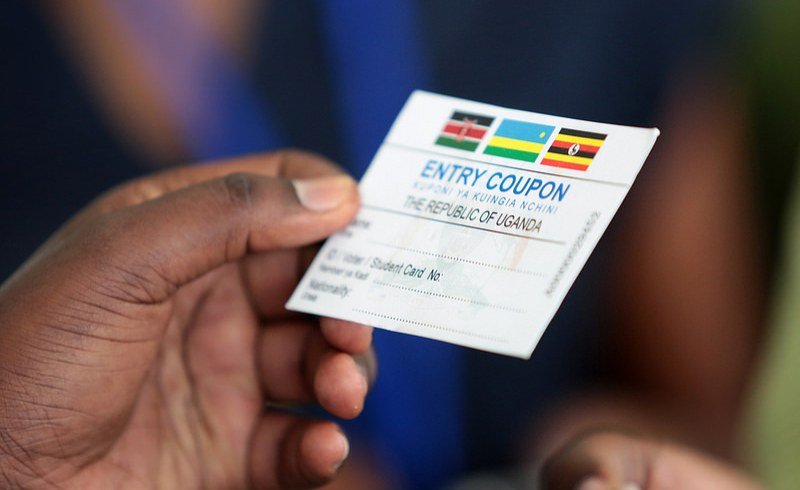
NAIROBI — Citizens of Kenya, Uganda and Rwanda are able to travel between the three East African Community (EAC) member states using national identification cards instead of passports, as part of efforts to strengthen regional integration and ease movement across borders.

The arrangement is aimed at making cross-border travel simpler for citizens, reducing bureaucratic barriers and promoting closer economic and social ties among neighboring countries.
Under EAC cooperation frameworks, citizens of participating member states benefit from agreements designed to support the free movement of people, goods, services and capital across the region. The use of national IDs for travel is intended to encourage trade, tourism, employment opportunities and family connections among East Africans.
Supporters of the initiative say easier movement demonstrates the potential of African regional integration by creating stronger links between economies and communities. They argue that reducing unnecessary travel restrictions can help businesses expand, improve labour mobility and increase opportunities for ordinary citizens.
The policy has been associated with broader integration efforts by East African leaders, including Kenya’s President William Ruto, Uganda’s President Yoweri Museveni and Rwanda’s President Paul Kagame, who have promoted closer cooperation within the region.
However, experts say successful regional integration also depends on addressing challenges such as border management, security coordination, economic disparities and the implementation of agreements across all member states.
The development has renewed discussions about the future of African integration and whether more regions on the continent can adopt similar systems to encourage easier movement and stronger economic cooperation.
For many advocates of African unity, the initiative represents a step toward a more connected continent where borders facilitate cooperation rather than restrict opportunities.