By MC Rumaz
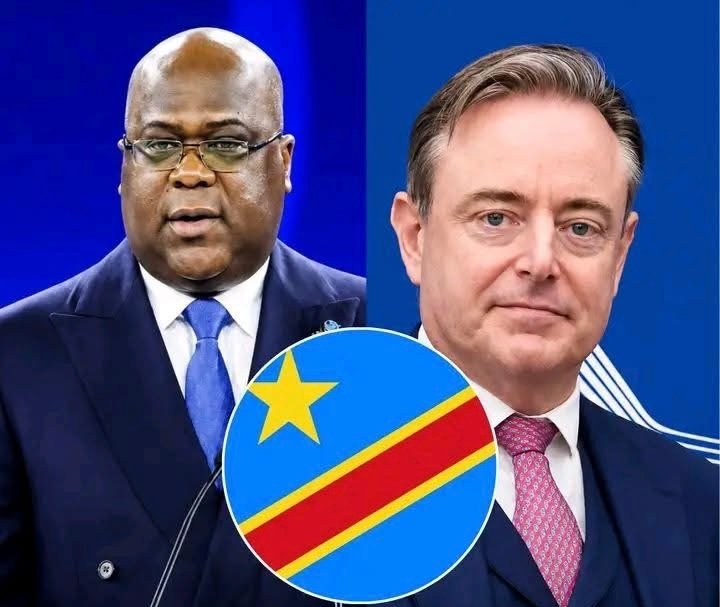
KINSHASA — Belgium has transferred a collection of colonial-era mining records to the Democratic Republic of the Congo, a move officials and researchers say could strengthen the country’s ability to study, manage and develop its vast mineral resources.
The returned archive contains decades of geological surveys, mineral exploration reports, maps and technical documents compiled during Belgium’s colonial administration of Congo. The materials provide detailed information about underground resources and geological formations across the country.
DR Congo is home to some of the world’s largest reserves of critical minerals, including cobalt, copper, lithium, gold and other resources essential to modern industries such as electric vehicles, renewable energy technologies and electronics.
Congolese authorities said the documents will be preserved, digitized and made available to relevant institutions to support geological research, resource planning and future exploration initiatives.
Experts say access to historical mining data could help DR Congo improve its understanding of its own mineral landscape and strengthen national efforts to attract responsible investment while ensuring greater control over its natural resources.
The handover is also being viewed as part of a broader conversation about the legacy of colonialism and the return of historical materials taken or created during European rule in Africa.
Belgium, which controlled Congo from 1885 until the country gained independence in 1960, has faced growing calls for accountability over the economic and social impact of colonial rule. The return of archives comes amid wider efforts by former colonial powers to address historical grievances through the restitution of documents, cultural objects and heritage materials.
Supporters of the transfer say geological records are not only technical documents but also part of Congo’s national heritage, containing knowledge that can contribute to economic development and greater resource sovereignty.
However, observers note that access to geological information alone will not resolve the challenges facing DR Congo’s mining sector, including illegal extraction, infrastructure limitations, governance concerns and the need for stronger value-added processing within the country.
The move has renewed discussions across Africa about ownership of natural resources, historical records and the role of former colonial powers in supporting sustainable development on the continent.
For many Congolese, the return of the mining archives represents a symbolic step toward reclaiming control over the country’s resources and ensuring that its mineral wealth contributes more directly to national development.