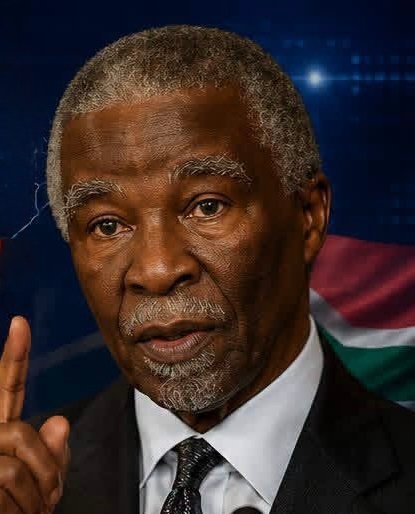
PRETORIA — Former South African president Thabo Mbeki has acknowledged that his administration made a major mistake in its handling of the country’s deadly 2008 anti-immigrant violence, saying authorities failed to properly investigate intelligence suggesting the attacks were part of an organised campaign rather than spontaneous outbreaks of xenophobic anger.
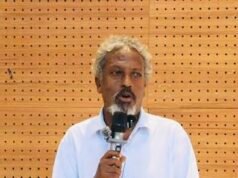
Speaking during a recent public discussion, Mbeki said the violence was wrongly characterised as “xenophobia,” arguing that an intelligence report available to his government indicated that the attacks had been carefully coordinated and were aimed particularly at Zimbabwean nationals living in South Africa.
According to Mbeki, the report suggested that certain groups sought to create fear among Zimbabwean migrants and pressure them to leave the country at a time when Zimbabwe was experiencing severe political and economic turmoil. He said the intelligence findings were not given the attention they deserved and should have been made public, allowing authorities and citizens to better understand the nature of the violence.
“The mistake we made was to accept a narrative that did not fully explain what was happening,” Mbeki said, adding that the label of xenophobia became the dominant explanation despite evidence pointing to a more complex and organised campaign.
The former president argued that framing the attacks solely as anti-foreigner sentiment prevented South Africa from identifying those responsible and addressing the deeper political, social and economic factors that contributed to the unrest. He said a clearer understanding of the violence could have led to more effective interventions and greater accountability.
The 2008 attacks, among the worst episodes of anti-migrant violence in South Africa’s democratic history, erupted in several townships and informal settlements across the country. The unrest left at least 62 people dead, hundreds injured and tens of thousands displaced, many of whom sought refuge in temporary shelters established by authorities and humanitarian organisations.
Victims included migrants from Zimbabwe, Mozambique, Malawi, Somalia, Ethiopia and other African countries who had moved to South Africa in search of safety and economic opportunities. Homes, businesses and places of work were looted or destroyed, forcing many families to flee their communities.
Mbeki’s remarks have reignited debate over the causes of the violence and whether South Africa’s political leadership at the time fully understood the forces driving the attacks. Analysts say the comments could prompt renewed scrutiny of intelligence assessments, government responses and long-standing tensions surrounding migration, unemployment and inequality.
Human rights groups have welcomed calls for a deeper examination of the events of 2008, arguing that understanding the root causes of the violence is essential to preventing similar incidents in the future. They have also urged authorities to strengthen protections for migrants and refugees, many of whom continue to face discrimination and periodic outbreaks of violence.
The comments come as South Africa continues to grapple with contentious debates over immigration, border control and access to jobs and public services. While xenophobic violence has periodically resurfaced since 2008, Mbeki’s intervention has renewed questions about whether the country has fully confronted the legacy of one of the darkest chapters in its post-apartheid history.