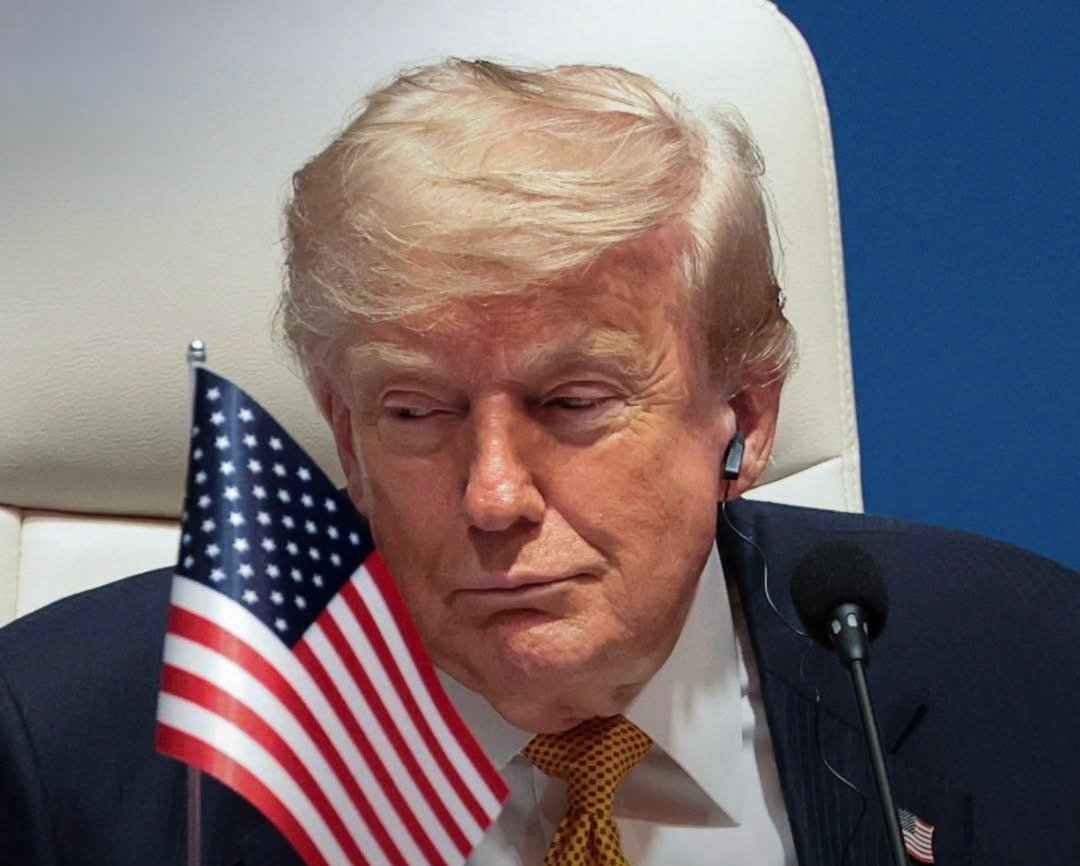
WASHINGTON — US President Donald Trump on Wednesday said the United States may take control of Iran’s strategic Kharg Island and warned that American forces could carry out further attacks on Iranian military assets following renewed tensions between Washington and Tehran.
Trump told reporters that US forces had destroyed Iranian vessels during recent operations, claiming that “28 Iranian boats” were knocked out and suggesting that more strikes against Iranian naval targets could follow.
“We will probably knock out more boats tonight,” Trump said, as he warned Iran against further military actions in the region.
The US president also raised the possibility of reimposing a blockade on Iranian ports, a move that would significantly increase pressure on Tehran and could further escalate tensions around the Gulf and the Strait of Hormuz.
Kharg Island, located in the Persian Gulf, is one of Iran’s most important economic assets, serving as the country’s main oil export terminal. Any attempt to seize or control the island would represent a major escalation because of its importance to Iran’s energy sector and global oil markets. (The Indian Express)
Trump said the United States had already targeted areas connected to Iran’s military capabilities and indicated that Washington was prepared to continue operations if Tehran did not change course. (local10.com)
The comments came amid heightened tensions following the collapse of a temporary ceasefire framework between the two countries. International observers have warned that further military escalation could threaten shipping routes, disrupt energy supplies, and increase instability across the Middle East. (reuters.com)
The Strait of Hormuz, a narrow waterway through which a significant share of global oil shipments pass, remains at the center of the confrontation. Any prolonged disruption in the area could have major consequences for energy markets and international trade.
Diplomatic efforts have continued as allies call for restraint and a return to negotiations to prevent a wider regional conflict.