MOGADISHU — Recent diplomatic and security activities by the United States in Somalia suggest that Washington may be reassessing its approach toward the country, placing greater emphasis on areas it considers strategically important for regional security and American interests.
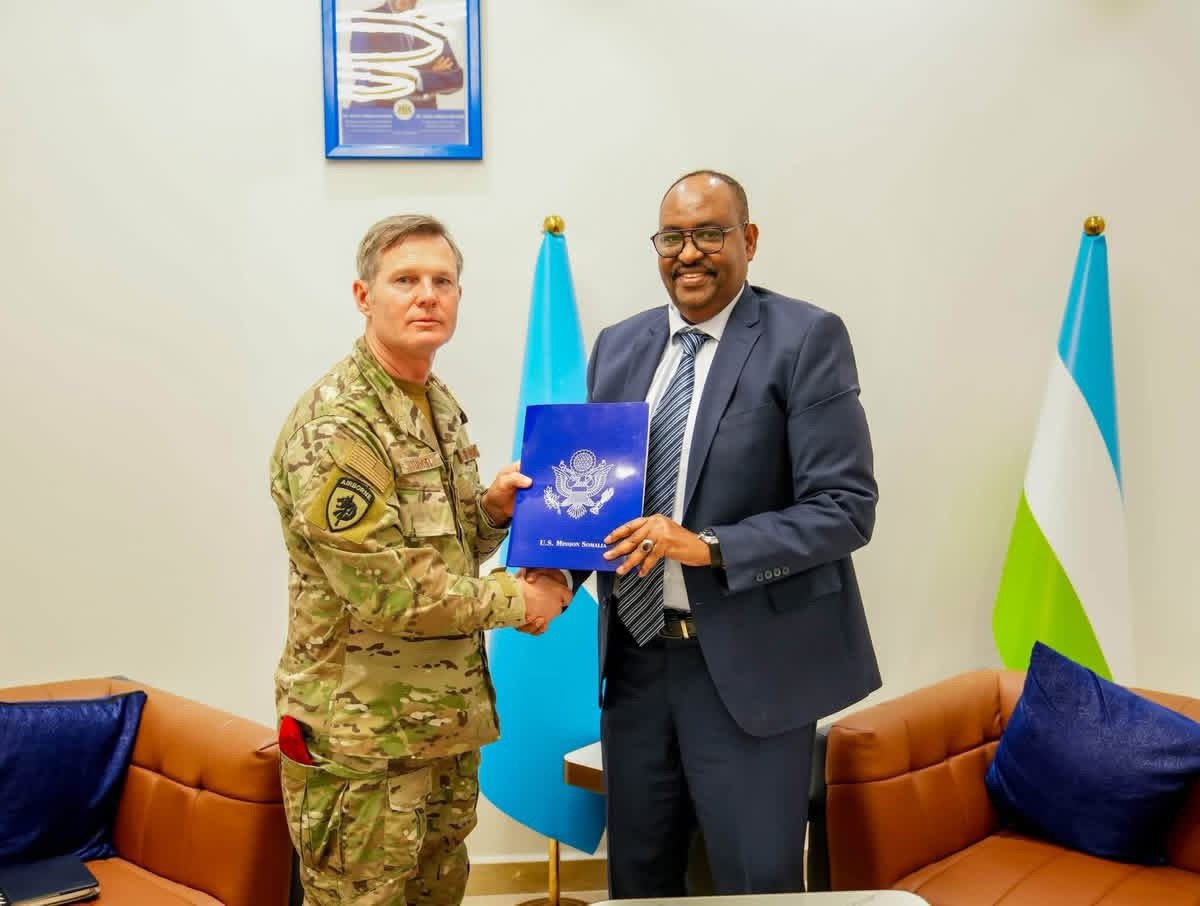
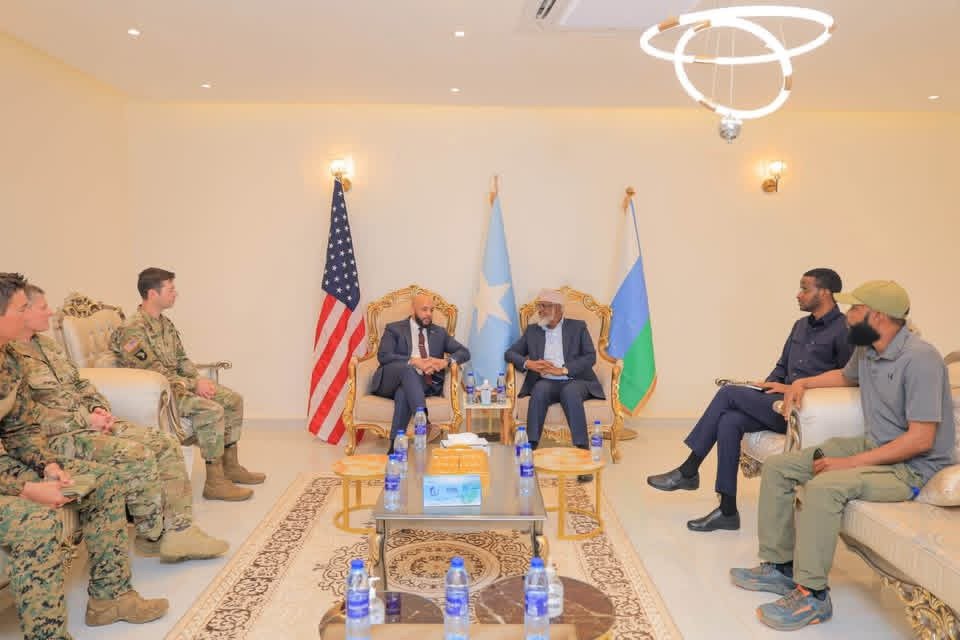
Over the past two weeks, a series of high-level meetings and visits have taken place in Mogadishu, Kismayo, and Bosaso. The latest development was a security cooperation agreement between the United States and Puntland aimed at strengthening security coordination and expanding cooperation between the two sides.
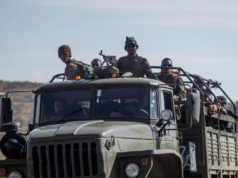
The developments come as Washington reviews aspects of its support for the African Union Support and Stabilization Mission in Somalia (AUSSOM), particularly financial contributions and logistical assistance for African forces operating in southern Somalia.
The emerging approach appears to differ from previous U.S. policy, which largely focused on strengthening Somalia’s federal institutions, supporting international stabilization missions, and building the capacity of national security forces. The new direction appears to place greater emphasis on direct partnerships with regional actors viewed as strategically significant.
The U.S.-Puntland security cooperation agreement highlights the increasing importance Washington attaches to areas located near key maritime routes and security corridors in the region.
Following the agreement signed in Bosaso by Puntland President Said Abdullahi Deni and AFRICOM Special Operations Commander Maj. Gen. Claude Tudor, officials indicated that security cooperation could expand, including efforts related to strengthening operational capabilities in the coastal city.
Bosaso holds strategic importance due to its location near the Gulf of Aden and the Bab al-Mandab Strait, one of the world’s most important maritime passages linking East Africa, the Middle East, and global trade routes. The region also faces security challenges involving armed groups, weapons trafficking, and broader regional instability.
The focus on strategic locations reflects a wider U.S. approach seen in other regions, where Washington has prioritized partnerships and military cooperation in areas considered vital to protecting security interests and international commerce.
For years, U.S. policy in Somalia has centered on supporting the Federal Government, training and equipping Somali security forces, backing African Union-led operations, and supporting efforts to defeat Al-Shabaab.
Washington has regarded international security missions in Somalia as a critical part of the country’s stabilization process, providing financial, military, and logistical support to African-led forces.
However, recent developments suggest a possible shift toward a model that prioritizes direct security interests, stronger cooperation with capable local partners, and a flexible military posture based on strategic needs.
A similar approach can be observed in Djibouti, where the U.S. military presence serves as a key platform for protecting American interests in the Red Sea region and East Africa.
A comparable pattern has also emerged in Jubaland, where U.S. security and legislative delegations recently conducted visits.
Jubaland’s strategic importance comes from its location along the Kenyan border and its role in counterterrorism operations against Al-Shabaab, which has maintained a presence in parts of southern Somalia.
The increased attention toward Puntland and Jubaland suggests that Washington is giving greater consideration to regional administrations located in areas it views as strategically valuable from both security and geographical perspectives.
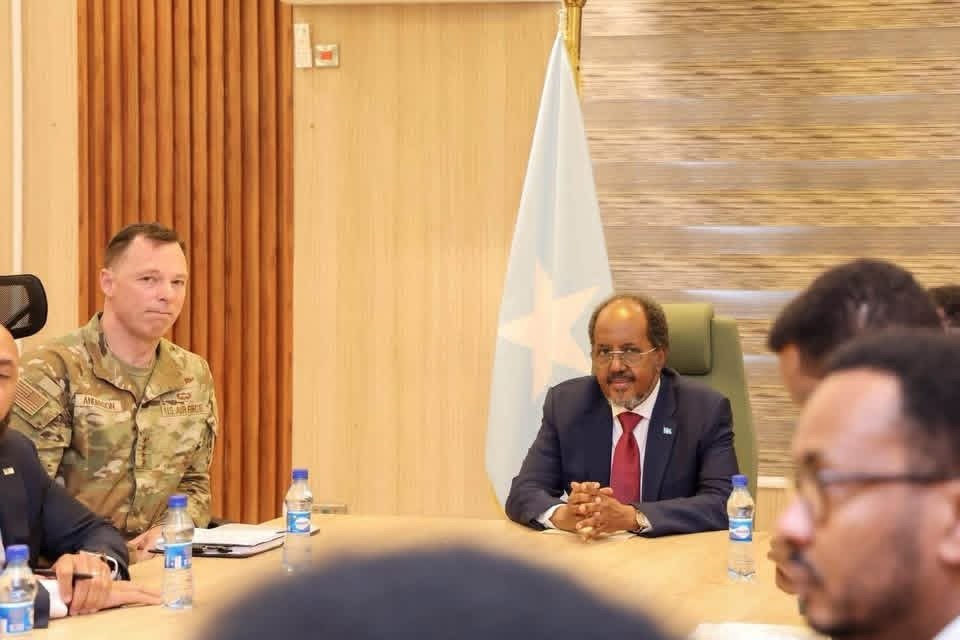
Meanwhile, Somali President Hassan Sheikh Mohamud held talks with AFRICOM Commander Gen. Dagvin Anderson as these developments unfolded.
Following the meeting, President Hassan emphasized Somalia’s ambition to achieve greater self-reliance in security and strengthen the country’s ability to manage its own defense responsibilities.
However, no new framework has been announced to significantly expand U.S. support for the Federal Government, and there has been no clear indication that Washington has restored previous levels of financial backing for Somalia’s international security operations.
The combination of these developments indicates that the United States may be entering a new phase in its Somalia policy.
While Washington previously placed greater emphasis on institution-building and international stabilization efforts, the emerging approach appears to focus more on direct cooperation with strategic partners and locations considered important for regional security and U.S. interests.
The policy direction also reflects the broader foreign policy priorities of the Trump administration, which has emphasized that international partnerships should serve American interests under the principle of “America First.”
If this trend continues, Somalia could see a greater U.S. focus on regional security partnerships alongside continued engagement with the Federal Government in Mogadishu.